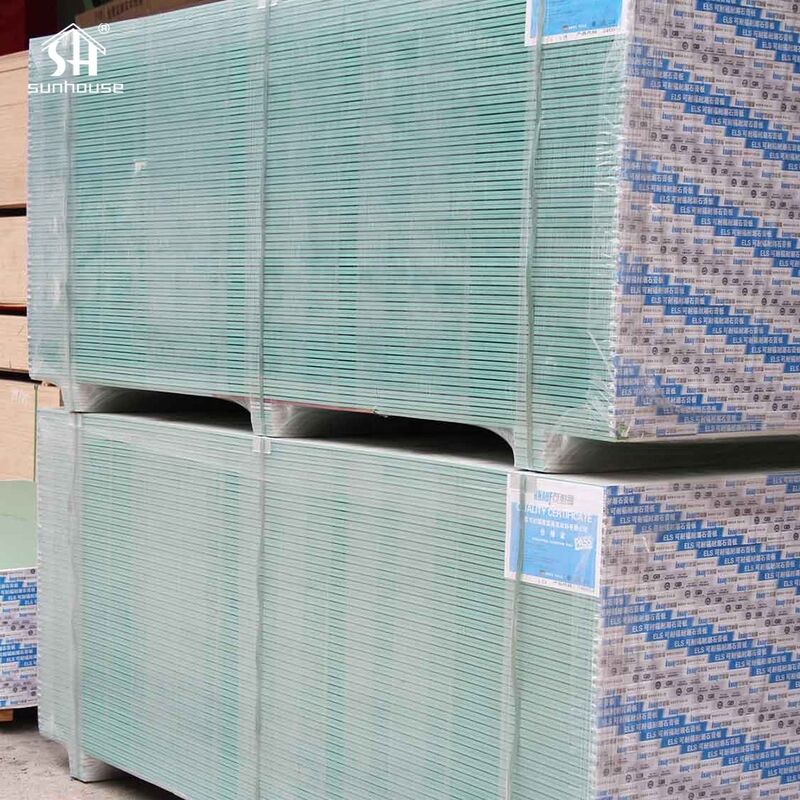
|
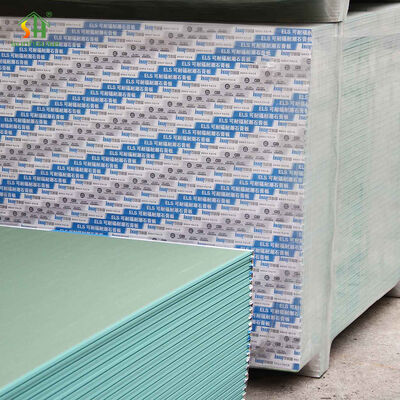
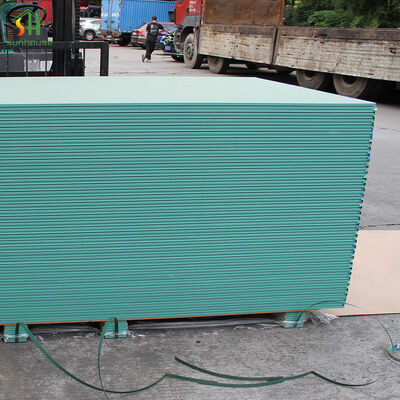
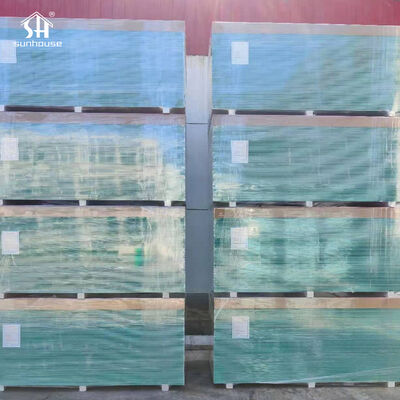
| Nama merek: | SUNHOUSE |
| Nomor Model: | 1220x244m-12mm |
| MOQ: | 800 |
| Ketentuan Pembayaran: | L/C,T/T |
Papan gipsum tahan kelembaban, papan semen dan papan magnesium oksida semua dapat muncul di kamar mandi, dapur, hotel, rumah sakit dan spesifikasi bangunan modular.Mereka memiliki komposisi yang berbeda, metode instalasi, batas kelembaban, persyaratan finishing dan risiko pengadaan.Sistem bangunan yang diuji dan persyaratan pasar tujuan daripada satu klaim umum bahwa papan tahan air, tahan api atau cocok untuk setiap area basah.
Membedakan kelembaban normal, percikan sesekali, penyemprotan langsung, air yang berdiri dan paparan cuaca luar.
Konfirmasi apakah papan akan menerima cat, senyawa gabungan, ubin keramik, render atau sistem finishing lainnya.
Tinjau persyaratan kebakaran, akustik, cetakan, benturan dan struktural bersama dengan ketahanan kelembaban.
Mencocokkan formulasi yang tepat, standar, laporan uji, pengikat dan aplikasi yang disetujui sebelum pembelian massal.
Tiga bahan tersebut tidak boleh dianggap sebagai tingkat kualitas yang sederhana dari produk yang sama.Cement board adalah substrat beton yang lebih padat yang dirancang untuk daerah basah dan kering yang menuntutPapan magnesium oksida adalah keluarga besar panel berbasis magnesium yang kinerjanya sangat tergantung pada kimia pengikat, penguatan dan kualitas manufaktur.
Panel inti gips dengan aditif tahan kelembaban dan kertas yang diolah, tikar kaca atau lapisan khusus produk lainnya.Hal ini biasanya dipilih untuk dinding interior lembab dan langit-langit di mana finish drywall halus dan instalasi cepat adalah penting.
Papan semen yang biasanya diperkuat dengan jaring atau serat.Produk yang diproduksi sebagai unit pendukung semen dirancang untuk tetap stabil secara dimensi dan memberikan substrat yang tahan lama untuk ubin dan batu di instalasi basah dan kering yang cocok.
Istilah umum yang mencakup papan yang terbuat dari pengikat berbasis magnesium, pengisi dan jaringan atau serat penguat.sehingga kinerja dapat bervariasi secara signifikan antara produsen.
Bahkan substrat tahan air mengandung sendi, sudut, penetrasi sekrup dan bukaan layanan.rincian transisi yang diperkuatPapan adalah salah satu komponen dari sistem, bukan penghalang kedap air lengkap.
| Item Perbandingan | Papan Gips Tahan Kelembaban | Papan semen | Papan Magnesium Oksida |
|---|---|---|---|
| Pengikat Utama | Inti gipsum dengan aditif tahan kelembaban. | Portland cement atau pengikat semen lainnya dengan serat penguat atau mesh. | Semen berbasis magnesium menggunakan bahan kimia berbasis klorida, rendah klorida atau bahan pengikat lainnya. |
| Permukaan yang Biasa | Kertas yang diolah, karpet kaca atau bahan khusus produk. | Memperkuat mesh atau serat terintegrasi dengan panel semen. | Jaring serat kaca, lapisan nonwoven atau penguatan khusus produk. |
| Posisi Paparan Air | Interior lembab dan paparan air terbatas, tergantung pada persetujuan produk. | Umumnya dipilih untuk area yang basah dan kering. | Harus dikonfirmasi dari formulasi yang tepat, pengujian dan kondisi paparan yang disetujui. |
| Membasahi terus menerus | Umumnya bukan bahan default yang disukai. | Lebih tahan air, tetapi masih mungkin diperlukan waterproofing. | Beberapa produk magnesium oksiklorida mungkin memiliki ketahanan air jangka panjang yang buruk. |
| Kualitas permukaan | Memberikan permukaan drywall yang halus yang cocok untuk finishing dicat berkualitas tinggi. | Biasanya dimaksudkan sebagai ubin atau substrat pelapis daripada finish drywall Level 4 atau Level 5 konvensional. | Kelembaban dan visibilitas sendi tergantung pada papan dan sistem finishing. |
| Pemotongan dan Pemasangan | Biasanya ditandai, dipecah dan diperbaiki menggunakan praktik instalasi drywall standar. | Sering membutuhkan alat karbida, gunting atau alat listrik tergantung pada ketebalan produk. | Metode pemotongan bervariasi; kontrol debu dan instruksi produsen harus ditinjau kembali. |
| Berat relatif papan | Umumnya pilihan yang paling ringan untuk area dinding yang setara. | Umumnya lebih berat karena komposisi semen yang padat. | Berbeda-beda menurut kepadatan, pengisi, ketebalan dan formulasi. |
| Persyaratan pengikat | Sekrup dinding kering yang dipilih untuk bingkai dan perakitan yang disetujui. | Sekrup papan semen tahan korosi atau pengikat khusus sistem lainnya. | Kompatibilitas pengikat sangat penting, terutama di mana formulasi yang mengandung klorida mungkin hadir. |
| Kinerja Api | Tersedia dalam versi gabungan tahan api dan kelembaban. | Komposisi semen dapat memberikan karakteristik material tidak mudah terbakar yang kuat. | Sering dipasarkan untuk ketahanan api, tetapi seluruh perakitan yang diuji masih harus ditinjau. |
| Risiko Jamur | Produk khusus dapat memberikan ketahanan jamur yang telah diuji, tetapi kertas dan kontaminasi permukaan masih membutuhkan kontrol kelembaban. | Permukaan sementasi memberikan bahan permukaan yang kurang organik, tetapi kotoran dan finishing masih dapat mendukung jamur. | Tergantung pada facing, pengisi, perilaku kelembaban dan perawatan permukaan. |
| Gerakan dan Sendi | Pita drywall yang kompatibel dan senyawa sendi biasanya digunakan. | Pita mesh yang tahan alkali dan perawatan sendi sementosa yang disetujui biasanya diperlukan. | Produk bersama dan rincian pergerakan harus sesuai dengan sistem pabrikan. |
| Posisi Biaya Tipikal | Biasanya memberikan biaya instalasi terendah dalam aplikasi interior lembab yang tepat. | Biaya bahan bakar dan tenaga kerja yang lebih tinggi, tetapi lebih cocok untuk daerah basah yang ditata dengan ubin. | Harga bervariasi secara signifikan dan harus mencakup pengujian, pengikat, lapisan dan risiko kepatuhan. |
| Risiko Utama Pengadaan | Salah dipromosikan sebagai papan tahan air sepenuhnya. | Dibeli tanpa sekrup, pita, membran atau detail gerakan yang benar. | Kimia yang tidak diketahui, klorida bebas, gerakan kelembaban dan dokumentasi sistem yang tidak cukup. |
Papan gipsum tahan kelembaban biasanya merupakan pilihan yang paling efisien untuk dinding kering kamar mandi, dinding dapur, ruang bedak, ruang cuci dan langit-langit lembab berventilasi.
Papan semen atau substrat daerah basah yang disetujui secara khusus lainnya seringkali lebih disukai untuk dinding kamar mandi, sekitar bak mandi dan area ubin yang terkena semprotan berulang kali.
Kamar mandi komersial, kolam renang, kamar uap, fasad eksterior dan area basah terus-menerus membutuhkan sistem khusus.
| Aplikasi | Opsi awal yang disukai | Alasan | Verifikasi yang Dibutuhkan |
|---|---|---|---|
| Dinding Kamar Mandi Kering | Papan Gips Tahan Kelembaban | Ringan, halus dan ekonomis untuk permukaan interior yang dicat atau dibungkus genteng ringan. | Klasifikasi kelembaban, ketebalan, ventilasi dan sistem finishing. |
| Langit-langit kamar mandi | Papan Gips MR yang disetujui oleh langit-langit | Memberikan akhir yang halus dengan berat badan atas yang lebih rendah. | Ketahanan sag, ruang bingkai, arah papan dan ventilasi ekstraksi. |
| Dinding dapur | Papan Gips Tahan Kelembaban | Cocok untuk kelembaban dan kadang-kadang mencuci percikan. | Perlindungan tambahan terhadap percikan di belakang wastafel dan peralatan memasak. |
| Dinding Shower Residential | Papan semen atau panel area basah yang disetujui | Lebih cocok untuk penyemprotan langsung berulang dan instalasi ubin. | Membran tahan air, sendi, sudut, penetrasi dan persetujuan sistem ubin. |
| Bak Mandi Sekitar | Papan semen atau sistem MR yang disetujui | Paparan bervariasi tergantung pada konfigurasi kamar mandi dan shower. | Mendefinisikan zona basah dan memverifikasi persetujuan pabrikan. |
| Kamar mandi umum | Sistem Cementitious Specialist Wet Area | Penggunaan yang sering menyebabkan beban air yang tinggi dan waktu pengeringan yang terbatas. | Waterproofing lengkap, drainase, sendi gerakan dan aksesori tahan korosi. |
| Bangunan lantai kamar mandi | Papan semen atau penopang lantai yang disetujui | Dirancang untuk mendukung ubin di bawah beban lantai ketika dipasang dengan benar. | Kekuatan lantai, tempat tidur mortir, pola pemasangan dan akomodasi gerakan. |
| Pembagian Kamar Mandi Hotel | Sistem Gabungan | Wajah kering dapat menggunakan gips MR, sementara wajah mandi mungkin membutuhkan dukungan area basah sementosa. | Kebakaran, akustik, kelembaban dan beban ubin. |
| Pengecualian lembab yang bisa terbakar | Papan Gipsum tahan api dan kelembaban | Dapat memberikan kinerja gabungan yang efisien di mana tercantum. | Penunjukan papan yang tepat dan pemasangan kebakaran lengkap. |
| Interior Bangunan Modular | Papan Gipsum atau MgO khusus proyek | Berat badan, getaran transportasi, persyaratan api dan kelembaban dapat mempengaruhi pemilihan. | Tes sistem skala penuh, desain bersama, pengikat dan daya tahan transportasi. |
| Pengelupasan Luar | Produk Penutup Eksterior yang Disetujui | Produk-produk gips MR interior dan alas ubin tidak dianggap cocok. | Eksposisi cuaca, penghalang tahan air, pelapis dan persyaratan pengikat. |
| Substrat Render Eksterior | Render Carrier Board yang disetujui | Render menempatkan kelembaban, gerakan dan adhesi tuntutan pada substrat. | Persetujuan papan, render kompatibilitas produsen, sendi gerakan dan pengujian cuaca. |
Memilih papan yang lebih tahan air tidak menghilangkan kebutuhan untuk mengelola air pada setiap transisi.perekat dan finishing harus berfungsi sebagai satu sistem terkoordinasi.
Diagram ini menunjukkan urutan sistem umum. posisi membran aktual, primer, pita, perawatan sendi, perekat,persyaratan pengikat dan pengerasan harus mengikuti instruksi produsen papan dan waterproofing yang disetujui.
Papan semen umumnya tetap lebih stabil ketika terkena kelembaban daripada papan gipsus bermuka kertas.Di mana ruang tahan air diperlukan, menginstal membran yang ditentukan dan transisi detail.
Papan gipsum, sementit dan magnesium sering dipilih sebagian untuk kinerja api.Klasifikasi bahan dan ketahanan kebakaran dinding atau langit-langit harus ditinjau secara terpisah.
| Item Review Kebakaran | MR Papan Gipsum | Papan semen | Papan MgO |
|---|---|---|---|
| Perilaku Materialis | Gipsum mengandung air yang dikombinasikan secara kimiawi yang membantu memperlambat transfer panas selama kalsinasi. | Komposisi semen umumnya memberikan ketahanan yang kuat terhadap pembakaran dan kontribusi api. | Komposisi berbasis magnesium dapat memberikan kinerja reaksi terhadap api yang kuat tergantung pada formulasi. |
| Pilihan produk tahan api | Tersedia sebagai papan tahan api dan kelembaban gabungan. | Karakteristik kebakaran produk harus diverifikasi untuk papan semen yang tepat. | Pernyataan kebakaran harus mengidentifikasi formulasi papan yang diuji dan kode produk. |
| Rating per jam | Membutuhkan perakitan papan gipsum yang diuji secara lengkap. | Membutuhkan pemasangan dinding, lantai atau langit-langit yang diuji secara lengkap. | Membutuhkan pemasangan lengkap yang diuji menggunakan papan MgO yang tepat. |
| Risiko Substitusi | Papan MR harus secara khusus diizinkan dalam desain kebakaran. | Papan semen tidak bisa menggantikan gipsum yang tahan api hanya karena tidak mudah terbakar. | Satu produk MgO tidak dapat mengganti produk lain tanpa persetujuan tingkat sistem. |
Sebuah bahan mungkin memiliki kontribusi terbatas untuk api sementara partisi yang selesai masih gagal awal melalui sendi, deformasi bingkai, kehilangan pengikat atau transmisi panas.Nomor per jam milik perakitan yang diuji, tidak untuk sampel papan yang terisolasi.
| Item Instalasi | MR Papan Gipsum | Papan semen | Papan MgO |
|---|---|---|---|
| Penanganan manual | Umumnya lebih mudah untuk mengangkat dan posisi. | Lembar yang lebih berat mungkin membutuhkan tenaga kerja tambahan. | Tergantung pada kepadatan dan ketebalan kapal. |
| Pemotongan | Umumnya skor-dan-snap dengan persyaratan alat terbatas. | Mungkin membutuhkan karbida, gunting atau pemotongan listrik. | Seringkali dapat dicetak atau dipotong secara mekanis, tergantung pada formulasi. |
| Pengendalian debu | Menurunkan debu untuk pemotongan skor-dan-snap dasar. | Pemotongan mekanis dapat menghasilkan debu sementita dan yang mengandung silika. | Pemotongan mekanis dapat menghasilkan debu mineral halus yang membutuhkan kontrol. |
| Bahan pengikat | Sekrup drywall yang disetujui standar. | Sekrup papan semen dengan ketahanan korosi yang tepat. | Sekrup tahan korosi khusus produk dan bingkai yang kompatibel. |
| Pengobatan Bersama | Pita dinding kering dan senyawa sendi untuk dekorasi halus. | Jaring tahan alkali dan pengolahan semen. | Detail pita khusus produk, pengisi dan gerakan. |
| Penampilan yang Selesai | Paling cocok untuk tampilan dinding yang dicat tanpa jahitan. | Lebih cocok di bawah ubin daripada dekorasi yang terbuka. | Bisa selesai, tapi retakan sendi dan kompatibilitas harus ditinjau. |
| Transportasi muatan | Berat papan yang lebih rendah dapat meningkatkan lembaran per wadah. | Kapadatan yang lebih tinggi dapat membatasi lembaran per wadah. | Pemuatan kontainer tergantung pada berat produk yang sebenarnya. |
Papan MgO tidak pernah harus diperlakukan sebagai satu komoditas standar. kimia pengikat, kemurnian bahan baku, garam yang tidak bereaksi, penguatan, pengisi, pengerasan dan perawatan permukaan semuanya dapat mempengaruhi kinerja.
Tentukan apakah papan menggunakan sistem berbasis klorida, alternatif rendah klorida atau sistem berbasis magnesium lainnya.
Minta data uji untuk klorida larut dalam air atau bebas di mana korosi terkait klorida adalah masalah proyek.
Tinjau penyerapan kelembaban, gerakan dimensi dan kinerja di bawah kelembaban relatif tinggi.
Dapatkan data bersepeda basah-kering, perendaman, retensi kekuatan dan stabilitas dimensi.
Konfirmasi lapisan pengikat yang diperlukan atau kelas stainless steel dan kompatibilitas dengan bingkai logam.
Periksa kompatibilitas dengan primer, cat, perekat, membran dan produk gabungan.
Mengidentifikasi kerangka pengujian yang sebenarnya daripada menerima pernyataan generik bahwa produk memenuhi standar internasional.
Tinjau penggunaan yang didokumentasikan dalam iklim, perakitan dan kondisi paparan yang sama.
Beberapa papan oksiklorida magnesium dapat menyerap kelembaban dari udara lembab ketika garam klorida residual tidak dikontrol dengan baik.Pintu baja dan komponen logam di dekatnyaRisiko harus dievaluasi melalui uji kimia, kelembaban dan korosi produk tertentu.
Deskripsi alternatif rendah klorida atau bebas klorida dapat mengurangi kekhawatiran tentang klorida magnesium bebas, tetapi tidak secara independen membuktikan daya tahan air,Stabilitas dimensi atau persetujuan sistemPembeli masih harus meninjau paket uji kimia dan fisik yang lengkap.
Harga papan per meter persegi hanya satu bagian dari keputusan pembelian. lembaran harga lebih rendah dapat menciptakan biaya instalasi yang lebih tinggi jika membutuhkan tenaga kerja tambahan, alat khusus,Pengikat premium atau pekerjaan korektif.
| Elemen biaya | MR Papan Gipsum | Papan semen | Papan MgO |
|---|---|---|---|
| Harga Papan | Biasanya paling rendah untuk aplikasi interior yang cocok. | Umumnya lebih tinggi dari papan gips MR. | Berbeda-beda tergantung komposisi dan sertifikasi. |
| Biaya Pengangkutan | Berat yang lebih rendah dapat mengurangi biaya per area yang dipasang. | Kepadatan yang lebih tinggi dapat meningkatkan biaya pengiriman dan penanganan. | Harus dihitung dari massa sebenarnya per meter persegi. |
| Mengurangi Tenaga Kerja | Pemasangan cepat. | Lebih banyak waktu pemotongan dan keausan alat. | Tergantung pada kekerasan dan metode pemotongan. |
| Pekerjaan yang Selesai | Efisien untuk finish drywall yang dicat. | Efisien di bawah ubin tapi kurang cocok untuk finishing drywall. | Membutuhkan sistem finishing paten yang validasi. |
| Biaya Aksesori | Sekrup dinding kering, pita dan senyawa. | Sekrup khusus, pita tahan alkali dan mortir. | Potensi sekrup premium, primer dan bahan sendi. |
| Risiko Kepatuhan | Rendah bila digunakan dalam aplikasi interior yang didefinisikan dengan jelas. | Rendah ketika didukung oleh standar tile-backer yang diakui dan instruksi sistem. | Bisa lebih tinggi di mana standar produk, kimia dan persetujuan tidak jelas. |
| Risiko perbaikan | Lebih tinggi jika salah dipasang di zona basah terus menerus. | Lebih tinggi jika waterproofing dan gerakan sendi dihilangkan. | Lebih tinggi jika gerakan kelembaban atau korosi muncul setelah kandang. |
Mengidentifikasi dinding, langit-langit, lantai, pancuran, lapisan eksterior atau substrat render yang ditentukan.
Memisahkan kelembaban, percikan, semprotan langsung, air yang berdiri, kondensasi dan paparan cuaca.
Memeriksa apakah finishing adalah cat, ubin, batu, render, wallpaper atau lapisan lain.
Periksa api, akustik, dampak, cetakan, persyaratan struktural dan termal.
Tentukan kerangka pengujian gipsum, dasar semen, MgO atau pasar tujuan yang berlaku.
Periksa bingkai, pengikat, sendi, membran, perekat dan bahan akhir bersama.
Mencocokkan sampel fisik dengan laporan uji, kode produk dan informasi pabrik.
Melarang penggantian atau perubahan formulasi tanpa persetujuan teknis tertulis.
Pemasok tidak membedakan kelembaban, zona basah dan paparan air terus menerus.
Data papan diberikan tanpa sendi, pengikat, membran atau detail akhir.
Sekrup dan pita drywall standar mungkin tidak kompatibel dengan substrat semen.
Pembeli tidak dapat mengevaluasi klorida, gerakan kelembaban atau risiko korosi.
Uji bahan disajikan secara salah sebagai tingkat kebakaran dinding yang lengkap.
Jubin dan batuan yang terbuat dari batuan ini dianggap sebagai satu-satunya lapisan pengendalian air.
Pabrik yang dikirimkan mungkin tidak termasuk dalam cakupan yang diuji atau disertifikasi.
Beban bingkai, tenaga kerja dan muatan kontainer mungkin salah dihitung.
Ketebalan yang sama tidak membuktikan kelembaban yang sama, api atau kinerja struktural.
Bisa terjadi retakan sendi atau ketidakcocokan permukaan.
Komponen logam mungkin terkena kelembaban dan serangan terkait klorida.
Tes kelembaban interior tidak menetapkan daya tahan terhadap cuaca.
Papan gipsum tahan kelembaban untuk aplikasi dinding atau langit-langit interior yang disetujui, ketebalan dan dimensi yang ditentukan, Klasifikasi ASTM C1396 atau EN 520 yang berlaku,Dengan data penyerapan air yang dinyatakan, Identifikasi Produk, Pelacakan Batch dan Instruksi Pemasangan Produsen.
Fiber-diperkuat Cementitious Backer Board untuk aplikasi ubin basah dan kering yang disetujui, sesuai dengan Standar Produk Cement Backer yang berlaku, ketebalan dan dimensi yang ditentukan,Diberi dengan Pemasangan yang Berlawanan Korosi yang Kompatibel, Pita sendi tahan alkali dan instruksi pemasangan lengkap.
Papan Bangunan Berbasis Magnesium, Kimia Pengikat yang Tepat Dan Nama Produk Produsen Seperti Disetujui, Ketebalan, Densitas Dan Dimensi yang Ditentukan, Dengan Data Komposisi Pengikat yang Rinci,Pengujian Gerak KelembabanHasil ketahanan air, kompatibilitas pengikat, dokumen kebakaran, pelacakan batch dan instruksi pemasangan sistem.
Papan semen umumnya lebih cocok untuk daerah basah yang ditata dengan ubin. Papan gipsum tahan kelembaban biasanya lebih efisien untuk zona kering interior yang lembab dan finishing dicat halus.
Hal ini dapat digunakan jika papan dan sistem instalasi yang tepat disetujui.
Tidak, papan semen tahan air, tetapi air dapat melewati sendi, penetrasi dan papan.
Produk MgO dapat menawarkan karakteristik api, berat atau kelembaban yang berguna, tetapi kinerjanya sangat bervariasi berdasarkan formulasi dan kontrol kualitas.Papan semen memiliki posisi yang lebih mapan sebagai substrat ubin daerah basah.
Tidak. Beberapa produk menggunakan magnesium oksiklorida, sementara yang lain menggunakan bahan pengikat alternatif rendah klorida atau bahan pengikat berbasis magnesium yang berbeda.
Produk tertentu yang mengandung klorida dapat menimbulkan risiko korosi ketika mereka menyerap kelembaban.
Papan gipsum tahan kelembaban yang disetujui oleh langit-langit seringkali merupakan pilihan yang paling praktis karena lebih ringan dan lebih mudah selesai.Ketahanan lemas dan ventilasi masih harus dikonfirmasi.
Gunakan sistem lantai dan dasar shower yang disetujui secara khusus.
Tidak tanpa pemasangan yang disetujui dan diuji. Karakteristik bahan yang tidak mudah terbakar tidak secara otomatis mereproduksi nilai per jam dari sistem dinding papan gipsum.
Papan gips tahan kelembaban biasanya memiliki biaya instalasi terendah di zona kering dan lembab interior yang sesuai. Papan semen dapat memberikan nilai siklus hidup yang lebih baik dalam paparan basah berulang.Biaya MgO tergantung pada pengujian, aksesoris dan risiko kepatuhan.
Dalam banyak proyek, menggunakan gipsum MR di zona kering dan substrat area basah di zona mandi lebih ekonomis.
Konfirmasi aplikasi, zona paparan, standar produk, ketebalan, berat, daya tahan air, persyaratan api, metode finishing, pengikat, membran, komposisi kimia,Pelacakan pabrik dan batch.
Berikan jenis ruangan, zona kering atau basah, aplikasi dinding, langit-langit atau lantai, finishing akhir, standar tujuan, persyaratan api, ketebalan papan dan jumlah proyek.Papan gipsum tahan kelembaban yang tepat, papan semen atau sistem MgO kemudian dapat ditinjau untuk kinerja, biaya instalasi dan pasokan ekspor.
 english
 français
 Deutsch
 Italiano
 Русский
 Español
 português
 Nederlandse
 ελληνικά
 日本語
日本語
 한국
한국
 العربية
 हिन्दी
 Türkçe
 indonesia
 tiếng Việt
 ไทย
ไทย
 বাংলা
বাংলা
 فارسی
فارسی
 polski