|
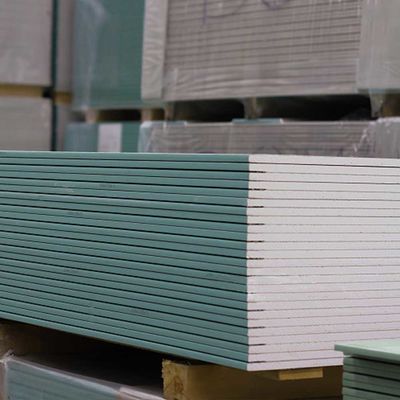
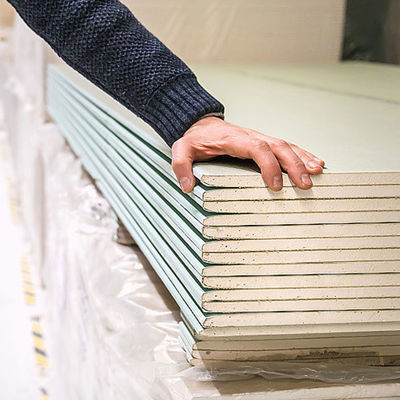

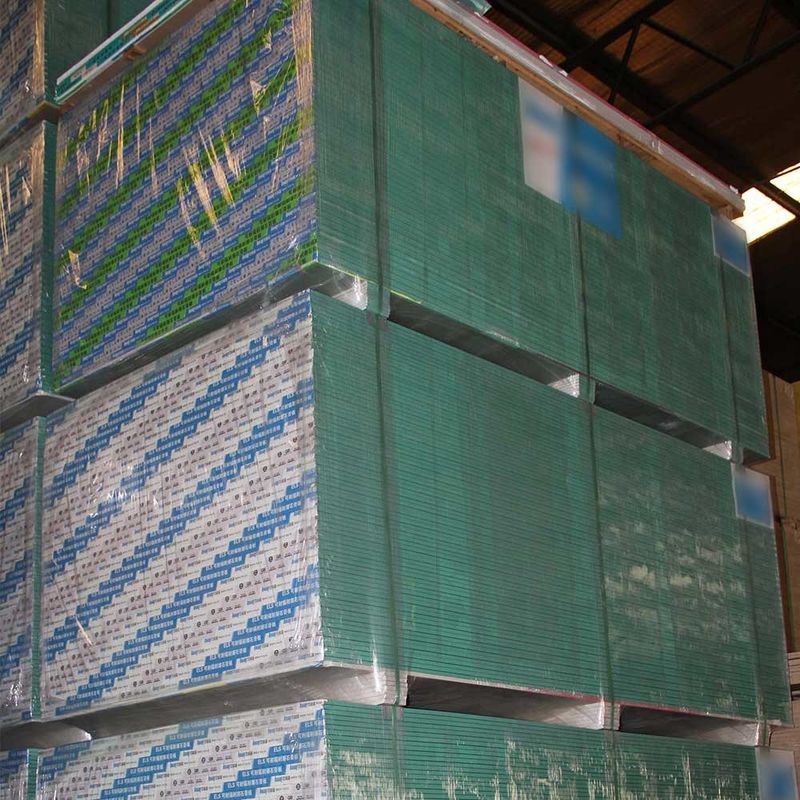
| Nama merek: | SUNHOUSE |
| Nomor Model: | 1220x244m-12mm |
| MOQ: | 800 |
| Ketentuan Pembayaran: | L/C,T/T |
Papan gipsum tahan kelembaban harus dievaluasi melalui data penyerapan air yang dapat diukur, kinerja menghadap, hasil tes cetakan dan dokumentasi penggunaan yang dimaksud.Klaim berat papan rendah atau ketahanan air umum bukanlah bukti yang cukupPembeli harus membedakan total penyerapan air,penyerapan air permukaan dan ketahanan cetakan karena setiap properti mengevaluasi bagian produk yang berbeda dan memiliki keterbatasan aplikasi yang berbeda.
Mengevaluasi berapa banyak air yang diserap oleh sampel lengkap di bawah kondisi uji yang ditentukan.
Mengevaluasi penyerapan air melalui permukaan papan yang diuji daripada melalui setiap tepi yang terbuka.
Mengevaluasi pertumbuhan jamur yang terlihat pada permukaan yang diuji dalam kondisi laboratorium yang terkontrol.
Kinerja produk masih tergantung pada pencegahan kebocoran, ventilasi, pengeringan dan desain sistem yang benar.
Pengujian penyerapan air mengukur bagaimana papan atau permukaannya bereaksi terhadap air cair dalam kondisi laboratorium yang ditentukan.Pengujian ketahanan jamur mengevaluasi pertumbuhan jamur terlihat pada permukaan produk tertentu dalam suhu hangatSebuah papan dapat melakukan dengan baik dalam satu tes tanpa secara otomatis memberikan tingkat kinerja yang sama di yang lain.
Pertumbuhan jamur juga tergantung pada durasi kelembaban, suhu, debu permukaan, kontaminasi organik, ventilasi, kondensasi dan kebocoran tersembunyi.Papan tahan kelembaban mengurangi kerentanan produk tetapi tidak dapat memperbaiki sumber air yang tidak terkendali di dalam bangunan.
Total penyerapan air umumnya membandingkan massa kering kondisi sampel uji dengan massanya setelah paparan air yang ditentukan.Hasilnya biasanya dinyatakan sebagai persentase peningkatan massaHal ini mencerminkan pengaruh gabungan dari inti gipsum, aditif, lapisan dan tepi sampel yang terpapar di bawah metode uji.
Pengujian penyerapan permukaan mengevaluasi penyerapan air melalui area yang ditentukan dari permukaan papan.Hasilnya tidak secara otomatis menggambarkan kinerja melalui tepi potong, lubang sekrup, sendi atau kerusakan.
Pengujian ketahanan jamur mengekspos permukaan spesimen pada kondisi yang dimaksudkan untuk mendukung pertumbuhan jamur. Skor yang dilaporkan menggambarkan pertumbuhan yang terlihat pada permukaan yang diuji selama periode pengujian.Ini bukan jaminan untuk setiap iklim, kondisi instalasi atau layanan.
Daya tahan instalasi tergantung pada apakah komponen dapat tetap kering atau kering dengan cepat setelah kelembaban yang tidak disengaja.Kontrol uap, desain pipa dan finishing material.
Konstruksi produk bervariasi menurut produsen. Beberapa papan menggunakan lapisan kertas yang diobati, sementara yang lain menggunakan karpet serat kaca atau lapisan alternatif.Pengolahan inti dan aplikasi yang disetujui harus diverifikasi dalam lembar data teknis.
| Item Perbandingan | Total Penyerapan Air | Penyerapan Air Permukaan |
|---|---|---|
| Fokus Utama | Penyerapan air oleh sampel uji lengkap. | Penyerapan air melalui area yang ditentukan dari permukaan papan yang diuji. |
| Format Hasil Tipikal | Persentase peningkatan massa spesimen. | Massa air yang diserap per satuan luas permukaan. |
| Pengaruh Produk Utama | Formulasi inti, aditif tahan air, lapisan, tepi sampel dan struktur produk secara keseluruhan. | Menghadapi perawatan, kontinuitas permukaan dan ketahanan permukaan yang diuji terhadap penyerapan air. |
| Apa yang Tidak Dibuktikan | Itu tidak membuktikan bahwa sendi, sudut dan penetrasi membentuk dinding tahan air. | Ini tidak membuktikan bahwa tepi yang terpotong atau area yang rusak memiliki ketahanan yang sama dengan wajah yang utuh. |
| Permohonan Pembeli | Bandingkan klasifikasi produk dan konsistensi batch berdasarkan standar yang berlaku. | Mengevaluasi perawatan permukaan dan kompatibilitas dengan aplikasi ruangan lembab atau dinding ubin. |
| Kesalahan Pembelian yang Umum | Menganggap persentase rendah sebagai bukti bahwa papan bisa tetap basah secara permanen. | Dengan asumsi kinerja yang sama di tepi papan, lubang sekrup dan penetrasi layanan. |
Hasil penyerapan air hanya harus dibandingkan ketika standar uji, ukuran sampel, pengkondisian, waktu paparan, suhu air, metode perhitungan dan ketebalan produk sama.Tes perendaman internal pemasok tidak boleh dibandingkan secara langsung dengan hasil yang diperoleh dengan metode produk standar.
Menurut EN 520, papan plester tahan kelembaban dapat diklasifikasikan sebagai tipe H1, H2 atau H3 sesuai dengan kinerja penyerapan air yang dinyatakan.Nilai penyerapan yang lebih rendah merupakan klasifikasi Tipe H yang lebih ketat.
| EN 520 Tipe | Total Penyerapan Air | Penyerapan Air Permukaan | Interpretasi Pengadaan |
|---|---|---|---|
| H1 | Tidak lebih dari 5% | Tidak lebih dari 180 g/m2 | Pilih ketika proyek membutuhkan klasifikasi H1 yang lebih ketat untuk penyerapan berkurang. |
| H2 | Tidak Lebih dari 10% | Tidak lebih dari 220 g/m2 | Klasifikasi ketahanan kelembaban umum untuk sistem area lembab interior yang cocok. |
| H3 | Tidak lebih dari 25% | Tidak lebih dari 300 g/m2 | Memberikan penyerapan yang berkurang tetapi tidak boleh disajikan sebagai setara dengan H1 atau H2. |
Produk gypsum tahan kelembaban Amerika Utara biasanya dievaluasi berdasarkan spesifikasi produk ASTM yang berlaku menggunakan metode pengujian fisik untuk produk panel gypsum.Pembeli harus meminta kategori papan yang tepat, metode pengujian, hasil dan persyaratan penerimaan daripada hanya bertanya apakah produk memiliki sertifikat ASTM.
| Dokumen atau Uji | Tujuan Utama | Verifikasi Pembeli |
|---|---|---|
| ASTM C1396/C1396M | Spesifikasi produk yang mencakup beberapa kategori papan gipsum, termasuk papan gipsum yang tahan air. | Konfirmasi kategori produk, ketebalan, sifat fisik dan aplikasi yang dimaksudkan yang ditunjukkan dalam dokumentasi pemasok. |
| ASTM C473/C473M | Metode pengujian fisik untuk produk panel gips, termasuk metode ketahanan air dan ketahanan air permukaan yang berlaku. | Tinjau referensi metode lengkap, informasi sampel, hasil tes dan identifikasi laboratorium. |
| Ketahanan air dari Core-Treated Board | Mengevaluasi penyerapan air oleh produk dengan menggunakan pengolahan inti yang tahan air. | Konfirmasi bahwa ketebalan papan yang diuji dan nama produk sesuai dengan bahan yang dibeli. |
| Ketahanan air permukaan | Mengevaluasi ketahanan air dari papan dengan kertas berlapis tahan air. | Tentukan apakah permukaan wajah dan punggung telah diuji dan apakah tepi potong dikecualikan. |
| Defleksi yang Dilembabkan | Mengevaluasi penyimpangan papan setelah paparan kondisi kelembaban tertentu. | Periksa properti ini secara terpisah ketika papan akan dipasang di langit-langit daerah lembab. |
Pernyataan umum bahwa pabrik memproduksi sesuai dengan ASTM C1396 tidak membuktikan bahwa setiap papan yang dikirimkan memiliki inti tahan kelembaban atau lapisan tahan air.Laporan dan tanda papan harus mengidentifikasi produk tahan air yang sebenarnya dipesan.
Pengujian ketahanan jamur dirancang untuk membandingkan pertumbuhan yang terlihat pada permukaan produk di bawah kondisi lingkungan yang terkontrol.Hasilnya harus dipahami sebagai indikator kinerja laboratorium daripada jaminan seumur hidup terhadap jamur di setiap bangunan.
Sampel produk disiapkan dan dikondisikan sesuai dengan prosedur laboratorium sebelum paparan di ruang.
Ruang ini mempertahankan kondisi hangat dan lembab yang dimaksudkan untuk mendorong pertumbuhan jamur pada permukaan yang rentan.
Sampel tetap berada di ruang selama periode yang diperlukan oleh prosedur uji yang berlaku.
Permukaan yang diuji dievaluasi untuk pertumbuhan jamur yang terlihat menggunakan metode penilaian yang terkait dengan tes.
Laporan harus mengidentifikasi produk yang diuji, permukaan, hasil, laboratorium dan keterbatasan.
Produsen panel gips biasanya menggunakan ASTM D3273 untuk melaporkan ketahanan terhadap pertumbuhan jamur yang terlihat pada permukaan produk.Skor yang dilaporkan 10 umumnya disajikan sebagai hasil tertinggi pada skala penilaian tes.
| Hasil yang dilaporkan | Interpretasi Umum | Pembatasan Pembeli |
|---|---|---|
| Skor 10 | Tidak ada pertumbuhan jamur yang terlihat di permukaan yang diuji di bawah kondisi uji yang ditentukan. | Hal ini tidak membuktikan bahwa permukaan tersembunyi, tepi yang dipotong, sendi yang dipasang atau finishing yang terkontaminasi akan tetap bebas jamur. |
| Skor Angka Rendah | Tingkat peningkatan pertumbuhan permukaan terlihat diamati sesuai dengan skala peringkat uji. | Skor hanya harus dibandingkan ketika produk diuji menggunakan metode dan prosedur pelaporan yang sama. |
| Hanya pernyataan lulus | Sampel memenuhi kriteria penerimaan pemasok, produk atau proyek. | Minta hasil numerik, permukaan yang diuji, periode paparan dan persyaratan penerimaan jika tersedia. |
| Tidak ada klaim pertumbuhan yang terlihat | Dapat menggambarkan pengamatan laboratorium. | Memverifikasi bahwa pernyataan berasal dari laporan lengkap dan bukan hanya bahasa pemasaran. |
Dinding yang dipasang masih bisa terbentuk cetakan ketika air masuk melalui kebocoran pipa, sealant gagal, infiltrasi eksterior atau kondensasi.film cat dan bahan permukaan lainnya juga dapat mendukung pertumbuhan bahkan ketika papan yang mendasarinya berkinerja baik dalam tes laboratorium.
Peningkatan kelembaban yang singkat berbeda dengan kebocoran tersembunyi yang membuat papan tetap lembap selama berhari-hari atau berminggu-minggu.
Debu, kotoran, residu konstruksi dan lapisan organik dapat menyediakan nutrisi untuk pertumbuhan jamur.
Ekstraksi udara yang buruk memungkinkan kelembaban dan kondensasi tetap ada di dinding dan langit-langit.
Permukaan yang hangat dan udara yang lembab dapat menciptakan kondisi yang menguntungkan pertumbuhan biologis.
Isolasi atau pengendalian uap yang tidak benar dapat menyebabkan kelembaban di balik permukaan yang tampaknya kering.
Kebocoran kecil pada pipa, katup, kamar mandi dan fittings shower dapat tetap tersembunyi di dalam partisi.
Cat, kertas dinding, perekat dan sistem ubin dapat mengubah pengeringan permukaan dan ketahanan biologis.
Lembar basah, plester dan beton dapat melepaskan kelembaban setelah sistem drywall dipasang.
| Item Perbandingan | Papan berlapis kertas yang diobati | Panel Gypsum Glass-Mat |
|---|---|---|
| Menghadapi Materi | Lapisan kertas yang dirawat tahan kelembaban dan jamur. | Lapisan karpet serat kaca pada satu atau kedua permukaan. |
| Penutup Interior yang Tipikal | Proses finishing dan dekorasi drywall yang akrab. | Persyaratan finishing dapat berbeda tergantung pada produk dan penampilan akhir yang dimaksudkan. |
| Kinerja Uji Cetakan | Banyak produk khusus melaporkan hasil tahan jamur yang tinggi. | Produk dari karpet kaca umumnya melaporkan ketahanan yang kuat terhadap pertumbuhan jamur yang terlihat. |
| Eksposur Konstruksi | Biasanya dimaksudkan untuk tetap terlindung dari hujan dan pembengkakan yang tidak terkendali. | Beberapa produk mat kaca khusus memungkinkan paparan pra-pengeringan terbatas di bawah kondisi produsen. |
| Kecocokan untuk Area Lembab | Tergantung pada persetujuan produk dan sistem waterproofing lengkap. | Juga tergantung pada jenis produk yang tepat dan persetujuan sistem; tikar kaca tidak secara otomatis berarti tahan air. |
| Keputusan Pembeli | Cocok di mana finishing interior yang akrab dan paparan kelembaban terkontrol adalah prioritas. | Pertimbangkan di mana ketahanan permukaan yang ditingkatkan atau ketahanan kelembaban konstruksi secara khusus diperlukan. |
Panel kaca interior, lapisan gips eksterior, papan atap dan produk alas ubin memiliki standar dan batas aplikasi yang berbeda.Pembeli harus mengidentifikasi kategori produk yang tepat daripada hanya menentukan fiberglass gypsum board.
Laporan pihak ketiga mendukung kualifikasi produk awal, tetapi pembelian massal juga membutuhkan kontrol produksi pabrik.pengeringan dan penyimpanan dapat bervariasi jika proses tidak dipantau dengan benar.
Aditif penolak air harus diukur dan dicatat sesuai dengan formulasi yang disetujui.
Penyedia kertas, pengolahan, berat dan kondisi penyimpanan dapat mempengaruhi penyerapan permukaan.
Pencampuran yang konsisten mendukung distribusi bahan-bahan tahan air melalui inti gipsum.
Tepi yang rusak, terbuka, atau kurang berbentuk dapat menciptakan jalur penetrasi kelembaban yang lebih cepat.
Pengeringan yang tidak konsisten dapat mempengaruhi kelembaban residual, ikatan kertas dan stabilitas produk.
Pengujian harus dilakukan pada frekuensi produksi yang ditentukan dan bukan hanya sebelum pesanan pertama.
Catatan uji harus dikaitkan dengan tanggal produksi, tanda papan dan label palet.
Batch yang gagal harus diisolasi dan dilarang dicampur dengan bahan ekspor yang disetujui.
| Item Pemeriksaan | Pemeriksaan yang direkomendasikan | Tujuan Pembelian |
|---|---|---|
| Penandaan papan | Produsen, jenis produk, ketebalan dan kode batch. | Menghubungkan papan dikirimkan dengan laporan disetujui. |
| Kondisi permukaan | Tidak ada kerusakan kertas, gelembung, noda, keriput atau delaminasi. | Mengurangi risiko masuknya air lokal dan kegagalan finishing. |
| Kondisi tepi | Tepat, kompak dan bebas dari penghancuran berulang atau inti terbuka. | Mendukung sendi yang konsisten dan mengurangi penyerapan inti yang terbuka. |
| Dimensi Papan | Ketebalan, lebar, panjang, persegi dan profil kerucut. | Mengkonfirmasi kesesuaian dengan spesifikasi produk yang disetujui. |
| Penyerapan Air Batch | Uji sampel yang dipilih menggunakan metode standar yang disepakati. | Mengkonfirmasi kinerja produksi saat ini daripada hanya mengandalkan laporan uji tipe sebelumnya. |
| Catatan Pabrik | Dosis aditif, batch kertas, tanggal produksi dan hasil kualitas. | Membantu mengidentifikasi perubahan formulasi dan variasi produksi. |
| Kondisi Kelembaban Palet | Tidak ada papan basah, kondensasi, noda atau dukungan kayu lembab. | Mencegah pengiriman bahan yang sudah terkena kelembaban. |
| Kondisi Kontainer | Lantai kering, atap kedap air, interior bersih dan dukungan yang tepat. | Mengurangi kebocoran hujan, kondensasi dan kerusakan transportasi. |
Warna wajah tidak membuktikan penyerapan air atau ketahanan jamur.
Persentase penyerapan memiliki sedikit arti tanpa metode uji.
Hasil dengan unit yang berbeda dan tujuan uji tidak benar dibandingkan.
Papan yang disuplai dapat memiliki penyerapan yang diperbolehkan yang jauh lebih tinggi.
Resistensi laboratorium dibesar-besarkan menjadi jaminan dunia nyata yang tak terbatas.
Produk, permukaan, laboratorium dan tanggal yang diuji tidak dapat diverifikasi.
Laporan ini mungkin tidak mencakup ketebalan papan yang termasuk dalam penawaran.
Kinerja produk tidak dapat ditransfer secara otomatis antara pabrik.
Kinerja wajah utuh diasumsikan berlaku untuk setiap tepi yang terbuka.
Penyerapan papan rendah digunakan untuk membenarkan pemasangan tanpa perlu tangki.
Ketahanan terhadap kelembaban dianggap salah sebagai izin untuk mengirim papan basah.
Produksi saat ini mungkin tidak sesuai dengan produk yang diuji dalam laporan.
Papan gipsum tahan kelembaban, EN 520 Tipe H1 atau H2 Seperti yang ditentukan, Total yang dinyatakan dan penyerapan air permukaan Dalam batas klasifikasi yang berlaku, ketebalan dan dimensi yang ditentukan,Dengan Deklarasi Produk, Data pengujian, identifikasi batch dan instruksi pemasangan pabrikan.
Panel gips tahan kelembaban dan jamur, sesuai dengan kategori produk ASTM C1396 yang berlaku, ketahanan air diuji menggunakan metode ASTM C473 yang berlaku, ketahanan jamur diuji dengan ASTM D3273,Ketebalan dan jenis wajah yang ditentukan, Dengan Identifikasi Produk, Dokumentasi Laboratorium Dan Pelacakan Batch.
Absorpsi total mengukur penyerapan air oleh sampel uji lengkap, sedangkan penyerapan permukaan mengukur penyerapan melalui permukaan papan yang ditentukan.Mereka menggunakan unit yang berbeda dan tidak harus diperlakukan sebagai hasil yang sama.
H1 memiliki batas penyerapan total dan permukaan air yang lebih ketat. Namun, kesesuaian proyek juga tergantung pada sistem dinding atau langit-langit yang lengkap dan paparan air yang sebenarnya.
Nomor H1 mengidentifikasi kinerja penyerapan air yang berkurang di bawah EN 520.
Tidak, tidak ada pertumbuhan yang terlihat pada permukaan yang diuji di bawah kondisi laboratorium yang ditentukan. kebocoran bangunan, kondensasi, debu dan finishing yang tidak cocok masih dapat menciptakan risiko jamur.
Tidak. Hijau, biru, ungu atau warna lain yang menghadap bukan klasifikasi universal tahan jamur.
Hanya jika laporan atau dokumentasi produk yang diterima jelas mencakup keluarga produk dan permukaan yang relevan.
Tidak secara otomatis. Lapisan mat kaca dapat meningkatkan ketahanan terhadap kelembaban dan jamur, tetapi produk masih harus dipilih sesuai dengan aplikasi yang dimaksudkan dan persyaratan sistem yang lengkap.
Papan yang terkena air harus dievaluasi sesuai dengan pedoman pabrikan.
Pengujian cetakan umumnya digunakan untuk kualifikasi produk atau verifikasi berkala daripada setiap pengiriman.Menghadapi kualitas dan pelacakan.
Konfirmasi standar produk, klasifikasi H atau kategori ASTM, batas penyerapan total dan permukaan, metode pengujian cetakan, jenis lapisan, tujuan penggunaan, ketebalan, kontrol batch,persyaratan kemasan dan pengiriman kering.
Berikan standar ASTM atau EN yang diperlukan, klasifikasi H1, H2 atau H3, batas penyerapan total dan permukaan, persyaratan ketahanan cetakan, ketebalan papan, aplikasi yang dimaksudkan dan jumlah proyek.Data produk, pengujian batch dan rencana inspeksi ekspor kemudian dapat ditinjau sebelum produksi massal.
 english
 français
 Deutsch
 Italiano
 Русский
 Español
 português
 Nederlandse
 ελληνικά
 日本語
日本語
 한국
한국
 العربية
 हिन्दी
 Türkçe
 indonesia
 tiếng Việt
 ไทย
ไทย
 বাংলা
বাংলা
 فارسی
فارسی
 polski