|
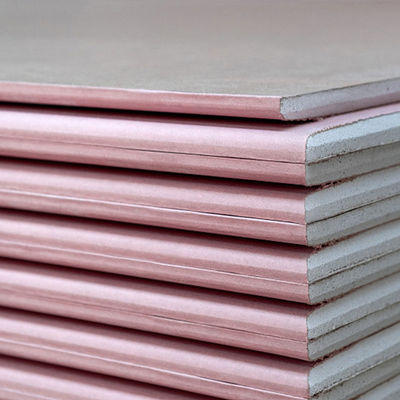
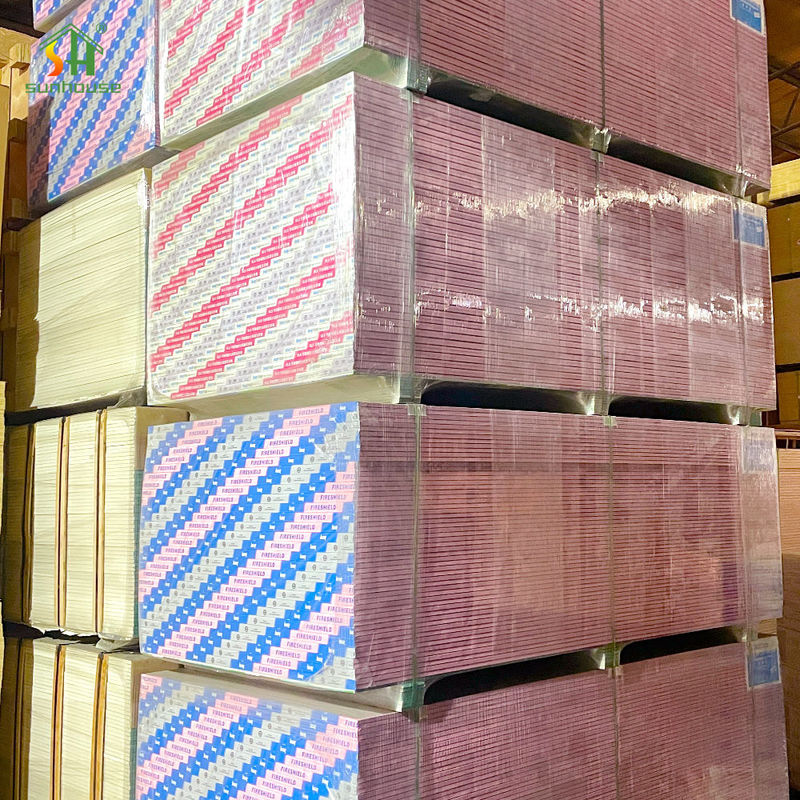
| Nama merek: | SUNHOUSE |
| MOQ: | 500 buah |
| Kemampuan Pasokan: | 3000000 Meter/Meter per Bulan |
Papan gipsum tahan api dari pemasok berbeda mungkin memiliki warna, dimensi, dan deskripsi produk yang serupa, namun tetap memberikan tingkat konsistensi produksi yang sangat berbeda. Keputusan pembelian yang dapat diandalkan harus meninjau inti gipsum, penguatan, adhesi permukaan, kekuatan tepi, kontrol dimensi dan ketertelusuran batch bersama dengan rakitan dengan tingkat ketahanan api yang diperlukan. Stabilitas suhu tinggi tidak dapat dipastikan hanya berdasarkan penampilan, berat papan, atau klaim pemasok saja.
Periksa apakah inti gipsum terbentuk secara merata tanpa rongga besar, zona lemah, bubuk abnormal, atau pemisahan material yang terlihat.
Tinjau formulasi tahan api yang dinyatakan dan bukti bahwa serat dan bahan tambahan didistribusikan secara konsisten melalui produksi.
Pastikan kinerja lentur, kekerasan inti dan tepi, sifat ikatan dan pengikat yang dihadapi berdasarkan standar yang berlaku.
Cocokkan produk yang dikirim dan identifikasi batch dengan rakitan dinding, langit-langit, poros, atau lantai-langit-langit yang diuji atau terdaftar.
Kualitas inti tidak ditentukan oleh satu karakteristik. Ini merupakan hasil gabungan dari kemurnian gipsum, penyiapan bahan baku, pengendalian air, aditif, serat penguat, pembusaan, pencampuran bubur, pembentukan papan, pengeringan dan pemeriksaan mutu akhir. Proses produksi yang stabil harus menghasilkan papan dengan dimensi, kekuatan, daya rekat, dan identifikasi produk yang konsisten di berbagai batch.
Kepadatan dan massa papan per satuan luas dapat mempengaruhi penanganan, kekuatan, berat pengangkutan, dan perilaku termal, namun papan yang lebih berat tidak secara otomatis memiliki peringkat papan api yang lebih tinggi. Performa kebakaran bergantung pada formulasi lengkap dan perakitan yang diuji. Pembeli harus membandingkan peruntukan produk yang disetujui dan menguji bukti daripada memilih sampel terberat.
Diagram ini menggambarkan struktur umum papan gipsum tahan api bermuka kertas. Formulasi inti yang tepat, jenis serat, aditif, spesifikasi kertas, dan desain produk berbeda-beda menurut produsen.
Matriks gipsum membentuk bagian utama panel. Konsistensinya dipengaruhi oleh kualitas gipsum mentah, persiapan partikel, rasio air, pembentukan kristal, kondisi pengeringan dan distribusi bahan lain di dalam bubur.
Produk tahan api biasanya menggunakan serat penguat untuk membantu membatasi retak parah dan jatuhnya inti secara prematur selama paparan panas. Kuantitas serat, panjang, distribusi dan kompatibilitas dengan formulasi inti mempengaruhi konsistensi produksi.
Produsen dapat menggunakan bahan aditif khusus untuk mengatur struktur inti, penyusutan, daya rekat, kebutuhan air, berat, atau perilaku suhu tinggi. Formulasinya harus dikontrol dan didukung oleh dokumentasi produk dan perakitan.
Bahan permukaan membentuk komposit dengan inti gipsum dan mempengaruhi penanganan, finishing, retensi pengikat dan ketahanan terhadap kerusakan tepi. Ikatan yang buruk, kerutan atau delaminasi dapat mengindikasikan masalah proses atau kelembapan.
Gypsum mengandung air yang digabungkan secara kimia dalam struktur kristalnya. Selama paparan api, panas menyebabkan air ini dilepaskan secara bertahap sebagai uap melalui kalsinasi. Energi dikonsumsi selama proses ini, membantu menunda kenaikan suhu di belakang panel. Setelah gabungan air dilepaskan, inti yang tersisa menjadi lebih rentan terhadap penyusutan, keretakan, dan hilangnya kohesi.
Permukaan papan yang terbuka mulai menerima panas sementara inti gipsum membatasi transmisi suhu yang cepat ke rongga yang dilindungi.
Air yang terkandung dalam struktur kristal gipsum secara bertahap dilepaskan sebagai uap, menyerap panas dan menunda kenaikan suhu.
Zona terkalsinasi bergerak lebih dalam melalui papan seiring dengan berlanjutnya paparan api. Ketebalan papan dan susunan lapisan mempengaruhi jarak yang harus ditempuh panas.
Saat dehidrasi berlangsung, material yang tersisa dapat menyusut dan menimbulkan retakan. Penguat dan bahan tambahan yang dipatenkan dapat membantu panel mempertahankan kohesi lebih lama.
Lapisan papan, sambungan, pengencang, rangka, dan insulasi bekerja sama untuk menentukan kapan keseluruhan konstruksi mencapai batas ketahanan api.
Memanaskan sampel papan dengan obor, tungku, atau perangkat laboratorium kecil dapat membantu membandingkan keretakan atau penyusutan dalam kondisi terkendali, namun hal ini tidak menentukan rating 60 menit atau 120 menit. Performa per jam harus didukung oleh pengujian perakitan lengkap atau daftar sertifikasi yang berlaku.
| Indikator Kualitas | Apa yang Harus Diperiksa Pembeli | Potensi Risiko Jika Tidak Dikendalikan dengan Baik |
|---|---|---|
| Keseragaman Inti | Warna dan tekstur merata, struktur konsisten dan tidak ada rongga besar yang jelas, partikel tidak tercampur atau zona terpisah. | Titik lemah lokal, pemotongan tidak stabil, kekuatan tidak merata, dan perilaku antar sampel tidak konsisten. |
| Massa Per Satuan Luas | Konsistensi antara papan dan batch produksi dibandingkan dengan data produk yang disetujui. | Variasi yang signifikan dapat mengindikasikan perubahan busa, ketebalan, kelembaban atau formulasi. |
| Keseragaman Ketebalan | Pengukuran pada seluruh sudut, tepi, dan tengah papan dalam toleransi dimensi yang berlaku. | Pemasangan tidak rata, masalah finishing sambungan dan ketidaksesuaian dengan produk yang diuji. |
| Kekerasan Inti | Ketahanan area bidang, tepi, dan ujung terhadap lekukan lokal berdasarkan pengujian produk yang berlaku. | Tepi lunak, kerusakan pengikat, kerugian penanganan, dan penurunan keandalan pemasangan. |
| Kekuatan Lentur | Ketahanan papan ketika dibebani dalam arah paralel dan tegak lurus yang disyaratkan oleh metode pengujian yang berlaku. | Kerusakan berlebihan selama pengangkatan, pemasangan, dan penanganan di lokasi. |
| Resistensi Pengikat | Kinerja terkait tarikan paku atau pengikat yang berlaku serta kondisi kertas dan inti di sekitar titik pemasangan. | Penarikan kepala sekrup, penghancuran lokal atau pelepasan panel prematur. |
| Ikatan Kertas-Ke-Inti | Daya rekat terus menerus tanpa kertas lepas, gelembung, kerutan, atau delaminasi yang terlihat. | Cacat finishing, tepi rusak dan berkurangnya integritas komposit. |
| Formasi Tepi | Tepi meruncing atau persegi lurus, kompak dan tidak rusak dengan geometri yang konsisten. | Sudut patah, sambungan buruk, limbah lebih banyak, dan penundaan pemasangan. |
| Kelembaban Sisa | Kondisi stabil setelah pembuatan, penyimpanan dan pengiriman, tanpa kelembaban abnormal atau kerusakan kondensasi. | Pemisahan kertas, distorsi, risiko jamur, penambahan berat dan berkurangnya kekuatan penanganan. |
| Identifikasi Batch | Pabrikan, jenis produk, ketebalan, tanggal atau kode batch dicetak pada papan atau ditandai dengan jelas pada palet. | Ketidakmampuan untuk menghubungkan papan yang dikirimkan dengan dokumen pengujian dan catatan kualitas pabrik. |
Kepadatan berguna ketika memeriksa konsistensi produksi, namun kepadatan tidak boleh digunakan sebagai satu-satunya indikator kinerja kebakaran. Papan pengenal api modern mungkin menggunakan formulasi berbeda, teknologi pembusaan, dan desain inti berpemilik. Dua produk dapat memiliki bobot yang berbeda sementara keduanya disetujui untuk rakitan dengan tingkat kebakaran tertentu.
Perbandingan yang paling berguna adalah antara batch produksi produk yang sama, ketebalan dan spesifikasi manufaktur. Perubahan berat papan yang besar dan tidak dapat dijelaskan mungkin memerlukan pemeriksaan tambahan, namun bobot yang lebih tinggi saja tidak membuktikan ketahanan api yang lebih baik.
| Pengamatan Berat Badan | Penjelasan yang Mungkin | Tindakan Pembeli yang Direkomendasikan |
|---|---|---|
| Berat Lebih Tinggi Dari Sampel Yang Disetujui | Formulasi berbeda, busa berkurang, kelembapan lebih tinggi, ketebalan meningkat, atau variasi produksi. | Periksa dimensi, kondisi kelembapan, kode produk, dan catatan batch pabrik sebelum diterima. |
| Berat Lebih Rendah Dari Sampel Yang Disetujui | Peningkatan busa, papan lebih tipis, perubahan formulasi atau pengurangan kandungan bahan. | Verifikasi ketebalan, uji kekuatan, dan sambungan dengan penetapan produk tahan api yang disetujui. |
| Variasi Besar Dalam Satu Palet | Pengeringan tidak merata, variasi ketebalan, paparan kelembaban atau pengendalian produksi yang tidak konsisten. | Perluas pengambilan sampel dan isolasi batch produksi yang terpengaruh. |
| Bobot Konsisten Tapi Tepiannya Lemah | Berat mungkin terkonsentrasi di bagian tengah sementara pembentukan tepi, pengikatan kertas, atau pengeringan tidak terkontrol dengan baik. | Jangan menyetujui berdasarkan berat saja; melakukan pemeriksaan tepi dan sifat mekanik. |
Serat penguat biasanya dimasukkan ke dalam inti gipsum tahan api untuk membantu mengurangi keretakan parah dan menjaga kohesi selama paparan panas. Namun, pembeli biasanya tidak dapat menentukan kuantitas atau distribusi serat secara akurat hanya dengan melihat satu bagian tepi yang rusak.
Sampel pecah yang memperlihatkan serat kaca mungkin mengindikasikan penguatan, namun tidak membuktikan produk tersebut memenuhi Tipe X, Tipe C, Tipe F, atau klasifikasi tahan api lainnya. Dokumen kepatuhan produk dan bukti uji perakitan tetap diperlukan.
Ketika gipsum kehilangan air yang terkombinasi secara kimia, strukturnya berubah dan dapat menyusut. Retakan dan bukaan dapat terbentuk jika inti tidak dapat mempertahankan kohesinya. Produk eksklusif yang ditingkatkan dapat menggunakan serat tambahan atau aditif yang mengompensasi penyusutan untuk meningkatkan perilaku pada rakitan yang diuji tertentu.
Kualitas bahan baku dan pembentukan kristal mempengaruhi struktur dasar matriks gipsum yang mengeras.
Rasio air, energi pencampuran dan kontrol pengaturan mempengaruhi struktur pori, kepadatan dan konsistensi produksi.
Penguatan yang didistribusikan dengan benar dapat membantu menjembatani retakan yang terjadi dan membatasi jatuhnya material secara dini.
Formulasi yang ditingkatkan dapat mencakup bahan aditif yang dimaksudkan untuk mengimbangi penyusutan atau menjaga stabilitas inti selama uji kebakaran tertentu.
Ketebalan yang lebih besar akan meningkatkan jarak yang dilalui kalsinasi, namun ketebalan saja tidak menentukan rating sistem.
Beberapa lapisan dan sambungan yang terhuyung-huyung dapat menunda jalur panas langsung bila dipasang sesuai dengan konstruksi yang diuji.
Integritas inti dan permukaan di sekitar sekrup memengaruhi berapa lama lapisan tetap terpasang selama pengujian perakitan.
Pergerakan tiang, sambungan papan, dan detail perimeter memengaruhi perkembangan retakan dan bukaan pada sistem secara keseluruhan.
Pengujian kualitas produk membantu memastikan bahwa papan diproduksi secara konsisten dan dapat ditangani serta dipasang sebagaimana mestinya. Metode pengujian dan nilai penerimaan yang diperlukan bergantung pada standar produk yang berlaku, jenis papan, ketebalan, dan pasar tujuan.
| Inspeksi Atau Tes | Apa yang Dievaluasi | Nilai Pembelian |
|---|---|---|
| Dimensi Dan Kuadrat | Panjang, lebar, tebal, profil tepi, perbedaan diagonal dan geometri papan secara keseluruhan. | Mengkonfirmasi kompatibilitas instalasi dan konsistensi dimensi. |
| Kekuatan Lentur | Ketahanan terhadap tekukan pada arah papan tertentu. | Membantu memprediksi risiko kerusakan selama pemuatan, pengangkatan, dan pemasangan. |
| Kekerasan Inti | Resistansi lokal inti gipsum pada posisi pengujian tertentu. | Membantu mengidentifikasi area inti yang lemah atau tidak terkonsolidasi dengan baik. |
| Kekerasan Tepi Dan Ujung | Ketahanan tepi dan ujung papan terhadap kerusakan lokal. | Relevan dengan kerusakan sudut, kualitas sambungan, dan pemasangan pengikat. |
| Ketahanan Tarik Kuku Atau Pengikat | Ketahanan terhadap pull-through kepala pengikat berdasarkan metode yang berlaku. | Mendukung evaluasi inti dan integritas yang dihadapi di sekitar bahan-bahan perhiasan. |
| Lendutan yang Dilembabkan | Defleksi papan setelah terkena kondisi kelembaban tertentu. | Membantu menilai stabilitas dimensi untuk aplikasi plafon yang relevan. |
| Pemeriksaan Ikatan Kertas | Adhesi antara kertas yang menghadap dan inti gipsum. | Mengidentifikasi risiko delaminasi dan masalah penyelesaian. |
| Massa Per Satuan Luas | Berat papan relatif terhadap luas permukaan dan ketebalan. | Mendukung pemeriksaan konsistensi batch dan perencanaan pengiriman. |
| Kondisi Kelembapan | Bukti kelembaban yang tidak normal, kondensasi atau pengeringan yang tidak sempurna. | Mengurangi risiko papan terdistorsi, lemah, atau rusak akibat kelembapan. |
| Inspeksi Penampang Visual | Keseragaman inti, rongga, partikel yang tidak tercampur dan kondisi tepi terlihat. | Berguna sebagai metode penyaringan awal tetapi bukan sebagai pengganti pengujian standar. |
Sebuah papan dapat bekerja dengan baik dalam pengujian tekukan atau kekerasan namun tidak memiliki persetujuan untuk rakitan pengenal api yang disyaratkan. Uji fisik produk dan uji ketahanan api menjawab pertanyaan yang berbeda dan keduanya harus ditinjau jika diperlukan.
Rongga yang besar dapat menciptakan zona lemah lokal dan perilaku pemotongan yang tidak konsisten.
Bubuk yang berlebihan mungkin mengindikasikan lemahnya pengaturan, kerusakan akibat kelembapan, atau kontrol produksi yang buruk.
Kumpulan serat yang terkonsentrasi dapat menunjukkan pencampuran dan distribusi yang tidak merata.
Permukaan yang longgar dapat menyebabkan kegagalan finishing, kerusakan tepi, dan penanganan yang buruk.
Tepi yang lemah meningkatkan kerusakan, kerusakan sekrup, dan masalah perawatan sambungan.
Variasi ketebalan dapat mempengaruhi keselarasan pemasangan dan kepatuhan produk.
Paparan kelembapan dapat mengurangi kekuatan penanganan dan merusak ikatan permukaan.
Kontaminasi yang tidak terduga mungkin mengindikasikan bahan mentah atau kondisi penyimpanan yang tidak sesuai.
Kerusakan yang berulang dapat disebabkan oleh tepian yang lemah, penumpukan yang buruk, atau pengemasan yang tidak memadai.
Papan yang tidak teridentifikasi tidak dapat dihubungkan secara andal ke dokumen produk yang disetujui.
Penandaan yang tercampur mungkin menunjukkan pemuatan atau penggantian yang tidak terkontrol.
Variasi yang signifikan mungkin menunjukkan perbedaan dalam ketebalan, kelembaban, busa atau formulasi.
Pembeli dapat menggunakan pengujian perbandingan terkontrol untuk mengevaluasi perilaku inti relatif antar sampel, namun kondisi dan tujuan pengujian harus ditentukan dengan jelas. Hasil harus diperlakukan sebagai informasi kendali mutu pemasok dan bukan sebagai peringkat kebakaran per jam yang independen.
| Barang Perbandingan | Kemungkinan Pengamatan | Interpretasi yang Benar |
|---|---|---|
| Penyusutan Linier | Perubahan dimensi spesimen setelah siklus pemanasan tertentu. | Berguna untuk perbandingan produk terkontrol hanya jika ukuran sampel, laju pemanasan, dan paparan konsisten. |
| Perkembangan Retak | Jumlah, lebar dan posisi retakan yang terlihat setelah pemanasan. | Dapat menunjukkan kohesi inti relatif tetapi tidak menghasilkan pengekangan dan pembebanan pada seluruh dinding. |
| Kejatuhan Inti | Hilangnya material dari spesimen yang dipanaskan. | Dapat mendukung tinjauan kualitas komparatif tetapi tidak dapat menetapkan ketahanan perakitan. |
| Warping Spesimen | Distorsi setelah pemaparan dan pendinginan. | Mungkin mencerminkan kondisi formulasi dan pemanasan; perbandingan membutuhkan persiapan spesimen yang identik. |
| Kohesi Residu | Kemampuan spesimen yang dikalsinasi untuk tetap utuh. | Berguna sebagai indikator produksi internal, bukan sebagai pengganti pengujian sistem standar. |
| Suhu Sisi Belakang | Suhu diukur di belakang spesimen papan kecil. | Hasilnya sangat bergantung pada peralatan, penyegelan, ukuran spesimen dan paparan dan tidak boleh disajikan sebagai rating dinding. |
Penggunaan yang paling tepat adalah membandingkan produksi saat ini dengan sampel referensi yang disetujui dari produk yang sama. Pemasok harus menentukan dimensi spesimen, pengkondisian, profil tungku, metode pengukuran dan kriteria penerimaan sebelum pengujian.
Periksa apakah kemurnian, kelembapan, dan karakteristik partikel gipsum yang masuk telah diuji terhadap persyaratan internal.
Dosis terkontrol membantu menjaga konsistensi jumlah serat, aditif, pati, bahan pembusa, dan air.
Waktu pencampuran, kecepatan dan suhu mempengaruhi dispersi aditif dan keseragaman inti.
Pemantauan ketebalan, lebar, dan profil tepi secara terus menerus mengurangi variasi dimensi.
Pengeringan terkontrol membantu menghilangkan kelembapan proses tanpa merusak ikatan kertas atau mengkalsinasi inti secara berlebihan.
Cacat permukaan, kerusakan tepi, dimensi, penandaan, dan berat papan harus diperiksa selama produksi.
Uji fisik harus dilakukan pada frekuensi tertentu dengan menggunakan peralatan yang dikalibrasi dan hasilnya dicatat.
Batch yang gagal atau tercampur harus diisolasi, diidentifikasi dan dicegah memasuki pesanan ekspor yang disetujui.
Inspeksi harus menghubungkan material yang dikirim dengan sampel yang disetujui, spesifikasi produk dan dokumentasi sistem kebakaran. Kuantitas pengambilan sampel dan aturan penerimaan harus disepakati sebelum produksi, bukan setelah ditemukan cacat.
Bandingkan berat batch, dimensi, kualitas tepi, ikatan kertas, tingkat kerusakan, dan catatan laboratorium daripada meninjau hanya satu sampel yang dipilih dengan cermat.
Konfirmasikan standar produk, referensi perakitan yang disetujui, daftar terkini, keaslian laporan, dan penandaan produk yang dapat dilacak.
Evaluasi kekuatan palet, perlindungan kelembaban, metode pemuatan, penanganan klaim, dan kemampuan pemasok untuk mereproduksi kualitas yang disetujui dalam pesanan massal.
| Item Evaluasi Pemasok | Respons Pemasok yang Lemah | Respons Pemasok Pilihan |
|---|---|---|
| Formulasi Inti | “Papan kami memiliki kepadatan tinggi dan tahan api.” | Mengidentifikasi klasifikasi produk, rakitan yang disetujui, pengendalian produksi, dan dokumen teknis yang berlaku. |
| Kandungan Serat | Menunjukkan tepi papan yang rusak tanpa dokumentasi pendukung. | Menjelaskan dosis terkontrol dan memberikan bukti kepatuhan produk dan sistem. |
| Berat Papan | Mengklaim bahwa papan yang lebih berat selalu memiliki ketahanan api yang lebih baik. | Memberikan massa nominal, toleransi, data batch, dan identifikasi produk yang disetujui. |
| Kinerja Kebakaran | Menggunakan video uji obor sebagai bukti rating dua jam. | Menyediakan perakitan lengkap yang telah diuji atau terdaftar dan menjelaskan peran dewan di dalamnya. |
| Inspeksi Kualitas | Hanya memberikan sertifikat kelulusan internal tanpa rincian tes. | Persediaan catatan batch, metode pengujian, informasi peralatan dan kriteria inspeksi yang disepakati. |
| Ketertelusuran | Papan dan palet tidak memiliki kode produksi yang dapat diidentifikasi. | Setiap batch palet dan papan dapat dihubungkan dengan catatan produksi dan inspeksi. |
Tidak secara otomatis. Kepadatan dapat mempengaruhi berat dan sifat fisik, namun kinerja api bergantung pada formulasi inti yang lengkap dan perakitan yang diuji. Bandingkan peruntukan produk yang disetujui, bukan hanya kepadatannya saja.
Tepi yang patah mungkin menunjukkan adanya serat, namun tidak dapat memastikan dosis, distribusi, atau klasifikasi produk secara andal. Kontrol manufaktur dan dokumen teknis juga diperlukan.
Tidak. Uji obor bukanlah prosedur klasifikasi produk dan tidak menghasilkan rakitan tahan api yang lengkap. Tipe X atau klasifikasi lain harus didukung oleh standar yang berlaku dan dokumentasi yang disetujui.
Belum tentu. Kekuatan lentur, ikatan kertas, kualitas tepi, struktur inti dan kondisi kelembaban semuanya mempengaruhi kerusakan. Berat papan harus ditinjau bersama dengan tes fisik standar.
Tidak. Pengujian kekuatan fisik membantu mengevaluasi penanganan dan konsistensi produk, sedangkan ketahanan terhadap api setiap jam harus ditunjukkan oleh perakitan lengkap yang telah diuji atau terdaftar.
Ketika air yang terkombinasi secara kimia dilepaskan, struktur gipsum berubah dan mungkin menyusut. Memperkuat serat, bahan tambahan, lapisan papan, dan penahan rakitan membantu mengendalikan terjadinya keretakan.
Tidak selalu. Struktur pori yang terkontrol dapat menjadi bagian dari desain produk. Kekhawatirannya adalah buang air kecil yang tidak normal, besar atau tidak merata yang berada di luar spesifikasi manufaktur yang disetujui.
Tidak. Tipe C umumnya merupakan produk Tipe X yang disempurnakan. Itu harus diidentifikasi oleh pabrikan, nama produk, cetakan papan, penunjukan daftar dan dokumentasi perakitan yang disetujui.
Tidak ada satu pemeriksaan pun yang cukup. Pembeli harus menggabungkan dimensi, konsistensi berat, pemeriksaan penampang, kondisi tepi, catatan pengujian fisik, penandaan produk, dan verifikasi dokumen.
Menyetujui produk referensi yang diidentifikasi dengan jelas, menetapkan toleransi yang dapat diukur, mewajibkan catatan batch, menyimpan sampel, dan melarang formulasi yang tidak sah atau perubahan pabrik.
Memberikan klasifikasi papan yang diperlukan, ketebalan, standar tujuan, nomor perakitan, persyaratan pengujian fisik, metode pengemasan dan kuantitas proyek. Kualitas inti pemasok, konsistensi batch, dokumen teknis, dan rencana inspeksi pra-pengiriman kemudian dapat ditinjau sebelum produksi.

 english
 français
 Deutsch
 Italiano
 Русский
 Español
 português
 Nederlandse
 ελληνικά
 日本語
日本語
 한국
한국
 العربية
 हिन्दी
 Türkçe
 indonesia
 tiếng Việt
 ไทย
ไทย
 বাংলা
বাংলা
 فارسی
فارسی
 polski


