|
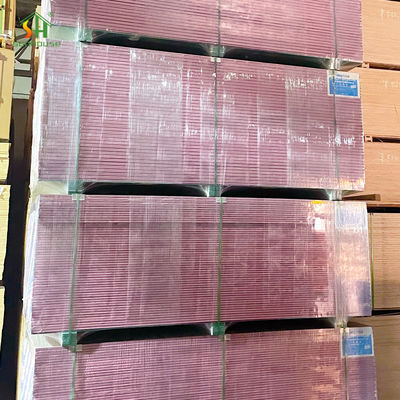
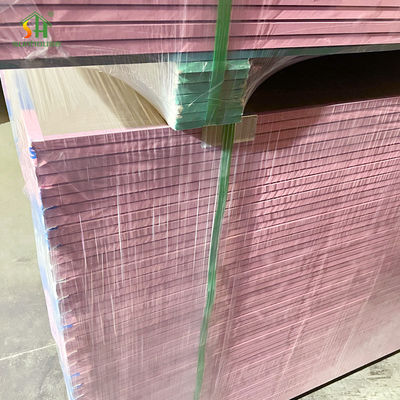

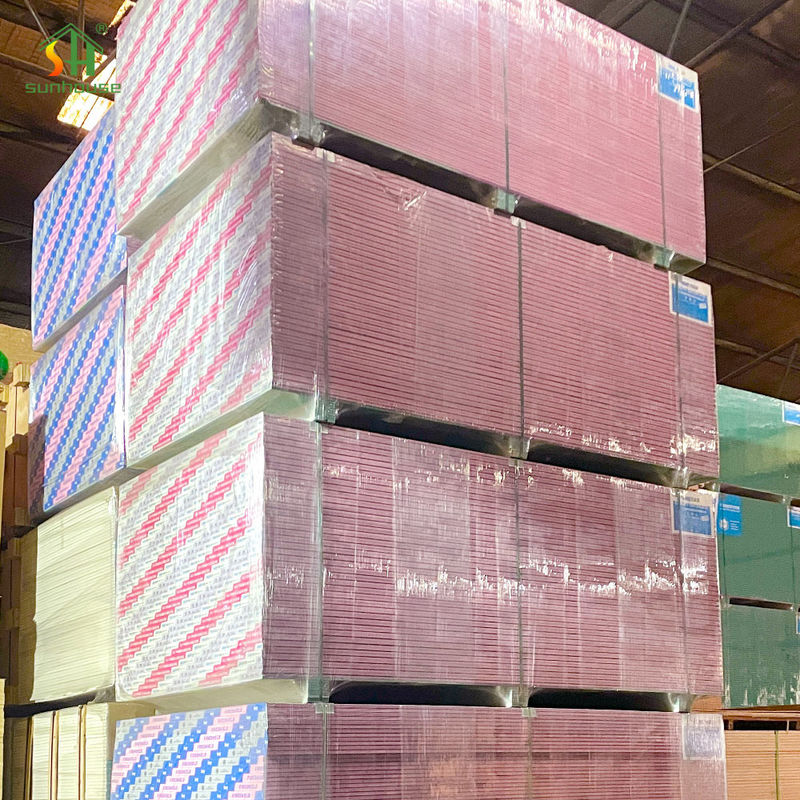
| Nama merek: | SUNHOUSE |
| MOQ: | 500 buah |
| Kemampuan Pasokan: | 3000000 Meter/Meter per Bulan |
Pengadaan papan gipsum tahan api memerlukan lebih dari sekadar mengumpulkan sertifikat berlogo laboratorium. Pembeli harus membedakan kepatuhan produk, klasifikasi reaksi terhadap api, ketahanan api perakitan lengkap, dan sertifikasi pasar. Setiap dokumen menjawab pertanyaan teknis yang berbeda, dan tidak ada dokumen yang boleh digunakan di luar produk, pabrik, metode pengujian, atau konstruksi yang tercakup dalam cakupannya.
Mengonfirmasi apakah papan gipsum memenuhi spesifikasi produk yang berlaku, seperti ASTM C1396 atau EN 520.
Menjelaskan perilaku material seperti penyebaran api, perkembangan asap, atau klasifikasi reaksi Eropa terhadap api.
Menunjukkan periode ketahanan api dari konstruksi dinding, langit-langit, lantai atau poros yang telah diuji secara lengkap.
Mengonfirmasi persyaratan pencatatan, penandaan, deklarasi, atau kesesuaian yang berlaku untuk pasar tujuan.
Pengajuan teknis profesional biasanya berisi beberapa dokumen, bukan satu sertifikat kebakaran universal. Pembeli pertama-tama harus mengidentifikasi apa yang dibuktikan oleh setiap dokumen dan kemudian mengkonfirmasi apakah dokumen tersebut berlaku untuk dewan dan sistem proyek yang tepat.
Tingkat ini mengevaluasi papan gipsum sebagai produk manufaktur. Ini mungkin mencakup dimensi, kekuatan lentur, sifat tepi, kinerja inti, karakteristik yang berhubungan dengan air, persyaratan Tipe X tahan api atau klasifikasi papan EN 520. Ini tidak secara otomatis membuktikan rating dinding satu jam atau dua jam.
Level ini menggambarkan bagaimana material berperilaku ketika terkena api pada kondisi pengujian yang ditentukan. Hasil yang umum mungkin termasuk penyebaran api, pengembangan asap atau kelas reaksi terhadap api di Eropa. Hasil ini tidak boleh disajikan sebagai peringkat ketahanan api per jam.
Tingkat ini mengevaluasi keseluruhan dinding, partisi, langit-langit, langit-langit lantai, langit-langit atap, poros atau rakitan pelindung struktural. Laporan tersebut mengidentifikasi lapisan papan, rangka, pengencang, insulasi, sambungan, arah pengujian, dan detail konstruksi yang menghasilkan periode ketahanan api yang dinyatakan.
Tingkat ini dapat mencakup daftar UL atau Intertek yang dapat dicari, informasi penandaan CE, Deklarasi Kinerja, sertifikat keteguhan atau kesesuaian jika berlaku, catatan pengendalian produksi pabrik dan dokumen lain yang diperlukan oleh pasar tujuan.
Dokumentasi ASTM C1396 atau EN 520 dapat mendukung klasifikasi produk dan kepatuhan manufaktur. Klaim ketahanan api selama 60 menit, 90 menit, atau 120 menit harus dihubungkan dengan konstruksi lengkap yang telah teruji atau bersertifikat. Laporan dewan saja tidak dapat menentukan rating per jam dari dinding atau langit-langit.
| Standar Atau Dokumen | Tujuan Utama | Hasil Khas | Batasan Pengadaan |
|---|---|---|---|
| ASTM C1396/C1396M | Spesifikasi produk mencakup berbagai kategori papan gipsum, termasuk persyaratan papan tahan api yang berlaku. | Data kepatuhan produk dan klasifikasi papan. | Tidak secara mandiri menetapkan rating dinding satu jam atau dua jam. |
| ASTM E119 / UL 263 | Pengujian kebakaran pada konstruksi bangunan lengkap dan rakitan material. | Hasil ketahanan api berdasarkan waktu untuk rakitan yang diuji. | Hasilnya berlaku pada konstruksi yang diuji atau diizinkan, tidak semua dinding menggunakan papan gipsum yang sama. |
| ASTM E84 / UL 723 | Evaluasi karakteristik pembakaran permukaan pada kondisi tertentu. | Api menyebar dan asap mengembangkan indeks. | Hasil pembakaran permukaan tidak sebanding dengan ketahanan terhadap api setiap jamnya. |
| EN 520 | Mendefinisikan persyaratan dan metode pengujian untuk papan gipsum yang digunakan dalam konstruksi. | Jenis papan, karakteristik yang dinyatakan, dan kinerja produk. | Kepatuhan produk EN 520 tidak dengan sendirinya membuktikan periode ketahanan api dari seluruh partisi. |
| EN 13501-1 | Klasifikasi menggunakan data dari pengujian reaksi terhadap api. | Kelas reaksi terhadap api di Eropa. | Jangan bingung dengan klasifikasi ketahanan api dari seluruh elemen bangunan. |
| EN 13501-2 | Klasifikasi menggunakan data ketahanan api dan pengujian terkait untuk elemen bangunan yang dapat diterapkan. | Klasifikasi ketahanan api berdasarkan kriteria kinerja yang relevan. | Klasifikasi harus sesuai dengan elemen yang diuji dan bidang penerapannya yang diizinkan. |
| EN 1364-1 | Pengujian ketahanan api pada dinding yang tidak menahan beban. | Kinerja benda uji dinding tanpa beban yang lengkap. | Perubahan pada tinggi dinding, rangka, susunan papan, atau arah pengujian harus tetap berada dalam aturan penerapan yang diizinkan. |
| EN 1364-2 | Pengujian ketahanan api pada langit-langit tanpa beban. | Kinerja konstruksi plafon lengkap. | Hasilnya tidak dapat secara otomatis ditransfer ke sistem suspensi atau penumpukan plafon yang berbeda. |
| ISO/IEC 17025 | Persyaratan kompetensi laboratorium pengujian dan kalibrasi. | Akreditasi laboratorium mencakup ruang lingkup teknis yang teridentifikasi. | Logo akreditasi saja tidak cukup; metode pengujian yang relevan harus dimasukkan dalam lingkup terakreditasi laboratorium. |
Kata laporan pengujian, sertifikat, klasifikasi, daftar dan deklarasi sering digunakan secara bergantian dalam kutipan. Mereka mewakili berbagai bentuk bukti teknis.
| Jenis Dokumen | Apa yang Biasanya Ditunjukkan | Bagaimana Pembeli Harus Menggunakannya |
|---|---|---|
| Laporan Uji Laboratorium | Benda uji, metode, pengkondisian, pengamatan uji, data terukur, batasan hasil dan laporan. | Konfirmasikan bahwa sampel dan konstruksi yang diuji cocok dengan papan dan sistem yang dibeli. |
| Laporan Klasifikasi | Klasifikasi formal berasal dari satu atau lebih laporan pengujian dan aturan klasifikasi yang berlaku. | Tinjau klasifikasi, ruang lingkup aplikasi dan referensi laporan pendukung. |
| Sertifikasi Atau Daftar | Produk atau sistem yang diakui oleh lembaga sertifikasi dan dipublikasikan berdasarkan program sertifikasi tertentu. | Verifikasi daftar terkini di database resmi lembaga sertifikasi daripada hanya mengandalkan PDF yang disediakan oleh penjual. |
| Sertifikat Kepatuhan | Pernyataan bahwa produk, pabrik, atau sistem yang diidentifikasi memenuhi kriteria sertifikasi yang ditentukan. | Periksa nomor sertifikat, ruang lingkup, pabrik, model produk, status penerbitan, dan lembaga sertifikasi. |
| Deklarasi Kinerja | Pernyataan pabrikan mengenai kinerja produk yang teridentifikasi berdasarkan kerangka produk konstruksi Eropa yang berlaku. | Cocokkan jenis produk, tujuan penggunaan, spesifikasi yang selaras, dan karakteristik penting yang dinyatakan. |
| Informasi Penandaan CE | Identifikasi produk dan informasi kinerja yang dinyatakan terkait dengan standar harmonisasi atau jalur penilaian yang berlaku. | Gunakan bersama dengan Deklarasi Kinerja. Jangan mengartikan tanda CE saja sebagai sertifikat sistem ketahanan api yang lengkap. |
| Sertifikat Mutu Pabrik | Sistem manajemen atau informasi pengendalian produksi pabrik. | Gunakan bukti tersebut sebagai bukti pengendalian produksi, bukan sebagai pengganti pengujian kebakaran produk atau perakitan. |
Proyek-proyek di Amerika Utara biasanya memisahkan kepatuhan produk papan gipsum dari rakitan yang diberi peringkat api. Pembeli harus meminta kedua set dokumen dan mengonfirmasi bahwa papan yang tepat diperbolehkan dalam desain yang dipilih.
Kehadiran logo UL, ETL atau Warnock Hersey pada brosur pemasok tidak melengkapi tinjauan teknis. Pembeli harus menemukan produk atau rakitan di direktori resmi yang relevan dan memverifikasi nama perusahaan, tujuan produk, nomor desain, status sertifikasi, dan konstruksi yang diizinkan.
Untuk pengadaan di pasar Eropa, kepatuhan produk dan dokumentasi CE harus ditinjau secara terpisah dari klasifikasi ketahanan api pada sistem dinding atau langit-langit secara keseluruhan.
Penandaan CE berkaitan dengan kinerja produk yang dinyatakan berdasarkan jalur penilaian Eropa yang berlaku. Ketahanan api pada seluruh dinding atau langit-langit papan gipsum tetap harus didukung dengan pengujian sistem dan dokumentasi klasifikasi yang relevan. Tanda CE tidak boleh digunakan untuk mengklaim peringkat perakitan yang tidak ada dalam dokumen sistem pendukung.
Nama laboratorium yang diakui dapat meningkatkan kepercayaan diri, namun pembeli harus memverifikasi kompetensi teknis laboratorium untuk metode pengujian yang tepat daripada hanya mengandalkan pengenalan merek atau simbol akreditasi.
Nama dan alamat pada laporan pengujian harus sesuai dengan organisasi terakreditasi yang tercantum dalam catatan resmi badan akreditasi.
Memastikan akreditasi laboratorium masih aktif pada saat pengujian dilakukan dan belum ditangguhkan atau dicabut.
Metode uji kebakaran yang tepat harus muncul dalam lingkup teknis terakreditasi laboratorium di mana pengujian terakreditasi diperlukan.
Periksa nomor laporan, tanggal penerbitan, nomor revisi, penomoran halaman, tanda tangan resmi dan metode verifikasi laboratorium.
Beberapa laporan berisi pengujian di luar cakupan terakreditasi. Pembeli harus mengidentifikasi hasil mana yang tercakup dalam akreditasi dan mana yang tidak.
Jika relevan, verifikasi bahwa pengujian dilakukan di lokasi laboratorium yang termasuk dalam ruang lingkup akreditasi atau sertifikasi yang diakui.
Akreditasi berlaku untuk laboratorium dan ruang lingkup kegiatan yang teridentifikasi. Suatu laboratorium mungkin terakreditasi untuk pengujian material tertentu tetapi tidak untuk pengujian ketahanan api skala penuh. Selalu tinjau ruang lingkup terakreditasi dan konfirmasikan bahwa cakupan tersebut mencakup metode yang dapat diterapkan.
Konstruksi spesimen yang lengkap biasanya lebih penting daripada hasil yang dicetak pada halaman pertama. Setiap komponen penting harus dibandingkan dengan perakitan proyek yang diusulkan.
| Bagian Laporan | Informasi Untuk Diverifikasi | Risiko Jika Diabaikan |
|---|---|---|
| Orientasi Tes | Dinding vertikal, langit-langit horizontal, langit-langit lantai, konstruksi penahan beban atau non-pemikul beban. | Hasilnya mungkin salah diterapkan pada elemen bangunan lain. |
| Arah Paparan Kebakaran | Eksposur dari satu sisi, kedua sisi, bawah, atau arah lain yang ditentukan. | Hasil satu arah mungkin salah dianggap sebagai hasil simetris. |
| Produsen Papan | Pabrikan yang tepat, nama produk, dan penunjukan produk yang terdaftar. | Pengganti yang tidak disetujui dapat membatalkan konstruksi yang didokumentasikan. |
| Lapisan Papan | Jumlah lapisan, ketebalan, orientasi dan susunan sambungan terhuyung. | Berkurangnya lapisan atau perubahan posisi sambungan dapat menurunkan kinerja sistem. |
| Sistem Pembingkaian | Detail bahan tiang, pengukur, kedalaman, jarak, lintasan, dan sambungan. | Pembingkaian yang berbeda dapat mengubah stabilitas, defleksi, dan transmisi panas. |
| Pengencang | Jenis sekrup, panjang, jarak, jarak tepi, dan pemasangan khusus lapisan. | Pengencang yang salah dapat menyebabkan papan terkelupas sebelum waktunya. |
| Isolasi | Bahan, kepadatan, ketebalan, posisi dan apakah itu opsional atau wajib. | Mengubah isolasi rongga dapat mempengaruhi kinerja api dan akustik. |
| Perawatan Sendi | Pita sambungan, kompon, segel perimeter dan perawatan kepala pengikat. | Sambungan terbuka dapat menciptakan jalur awal panas dan nyala api. |
| Dimensi Maksimum | Tinggi, lebar, bentang, dan kedalaman rongga dinding yang diuji atau diizinkan. | Konstruksi yang lebih tinggi atau lebih luas mungkin berada di luar cakupan yang disetujui. |
| Kriteria Kinerja | Integritas, isolasi, fungsi struktural, kenaikan suhu dan kriteria lain yang berlaku. | Waktu yang dilaporkan mungkin disalahpahami tanpa mengidentifikasi kriteria mana yang telah dicapai. |
| Bidang Aplikasi | Variasi dan batasan yang diperbolehkan untuk perubahan dari spesimen yang diuji. | Perubahan yang tidak disetujui mungkin salah diasumsikan untuk mempertahankan peringkat. |
Laporan harus disetujui hanya jika papan yang disediakan dan konstruksi yang diusulkan sesuai dengan perakitan yang diuji atau diizinkan. Penampilan yang serupa, ketebalan yang sama atau pernyataan pemasok bahwa satu papan “lebih baik” tidak secara otomatis menjadikannya pengganti yang disetujui.
Pembeli sering bertanya berapa tahun laporan uji kebakaran masih berlaku. Tidak ada periode kedaluwarsa universal yang berlaku untuk setiap laporan laboratorium, pasar, program sertifikasi, atau proyek.
Laporan pengujian historis mencatat kinerja spesimen yang diuji. Daftar sertifikasi mungkin memiliki status terkini, ditangguhkan, ditarik, atau tidak aktif. Penerimaan proyek juga bergantung pada kode saat ini, edisi standar, perubahan produk, dan otoritas yang meninjau pengajuan.
Detail konstruksi, batasan, dan informasi spesimen tidak dapat ditinjau.
Laporan tersebut mungkin milik perusahaan lain, pabrik, atau produk yang tidak terkait.
Laporan 15mm mungkin tidak mendukung papan 12mm yang berbeda tanpa persetujuan yang terdokumentasi.
Menjadi sulit untuk menghubungkan laporan ke papan dan label yang tersedia.
Dokumen tersebut dapat diubah, tidak lengkap atau di luar sistem laboratorium.
Laboratorium mungkin mempunyai akreditasi, tetapi tidak untuk uji kebakaran yang relevan.
Klasifikasi papan salah disajikan sebagai peringkat dinding per jam yang lengkap.
Kinerja yang dinyatakan dan identifikasi produk tidak dapat ditinjau dengan benar.
Tidak ada daftar resmi yang menghubungkan merek tersebut dengan produk atau pabrik pemasok.
Pembeli tidak dapat mengidentifikasi persyaratan pembingkaian, lapisan, atau pemasangan yang disetujui.
Nomor halaman yang hilang, font yang tidak konsisten, atau tabel yang diubah mungkin mengindikasikan adanya modifikasi.
Kata-kata umum mungkin tidak mengidentifikasi papan gipsum tahan api yang dibeli.
Identifikasi negara, kode bangunan, standar produk, dan rute persetujuan proyek.
Pisahkan klasifikasi produk, reaksi terhadap api, ketahanan api, ketahanan kelembaban, kinerja akustik dan persyaratan struktural.
Dapatkan laporan lengkap, klasifikasi, daftar, deklarasi, lembar data teknis, dan detail pemasangan.
Konfirmasikan nama laboratorium resmi, status akreditasi, dan ruang lingkup metode pengujian.
Cari direktori resmi lembaga sertifikasi untuk produk dan perakitan yang memerlukan daftar.
Bandingkan pabrikan, pabrik, nama produk, ketebalan, jenis tepi, dan identifikasi papan.
Tinjau rangka, lapisan, sekrup, insulasi, sambungan, dimensi, dan arah paparan api.
Konfirmasikan apakah perubahan yang diusulkan berada dalam bidang penerapan langsung atau diperluas.
Tambahkan informasi pabrikan, produk, laporan, dan perakitan yang disetujui ke pesanan pembelian.
Bandingkan pencetakan tepi papan, dimensi, nomor batch, kemasan dan dokumen pendukung dengan penyerahan yang disetujui.
Tidak. ASTM C1396 mendukung kepatuhan produk papan gipsum. Peringkat ketahanan api satu jam harus dihubungkan ke rakitan lengkap yang diuji atau disertifikasi menggunakan metode ketahanan api yang berlaku.
Tidak. ASTM E84 membahas karakteristik pembakaran permukaan seperti indeks penyebaran api dan asap. Ini tidak menentukan ketahanan api setiap jam pada rakitan dinding, langit-langit atau lantai.
Penandaan CE menunjukkan bahwa kinerja produk yang dinyatakan telah dinilai berdasarkan rute Eropa yang berlaku. Pembeli harus meninjau Deklarasi Kinerja dan dokumentasi ketahanan api sistem yang terpisah.
Tidak, kecuali dokumentasi formal menunjukkan bahwa produk yang dipasok tercakup dalam laporan, klasifikasi, atau ruang lingkup sertifikasi yang disetujui. Komposisi atau tampilan serupa saja tidak cukup.
Belum tentu. Laporan laboratorium dan daftar sertifikasi mengikuti aturan validitas yang berbeda. Pembeli harus meninjau perubahan produk, edisi standar, status daftar, dan persyaratan penerimaan proyek.
Nama organisasi saja tidak menjamin penerimaan proyek. Verifikasi laboratorium spesifik, ruang lingkup terakreditasi, metode pengujian, identitas produk, keaslian laporan, dan persyaratan pasar tujuan.
Tidak secara otomatis. Ketebalan yang diuji dan peruntukan produk harus mencakup bahan yang dipasok, atau klasifikasi, perluasan, atau penilaian teknis yang diterima harus memungkinkan adanya perbedaan.
Salinan digital dapat digunakan jika sudah lengkap dan dapat diverifikasi. Periksa nomor laporan, revisi, jumlah halaman, tanda tangan resmi dan database laboratorium atau sertifikasi jika tersedia.
Itu tergantung pada keputusan yang diambil. Standar produk memastikan kepatuhan papan, sedangkan rakitan lengkap yang teruji atau bersertifikat mengontrol ketahanan api setiap jam pada dinding atau langit-langit yang dipasang.
Konfirmasikan standar produk, identitas papan yang tepat, perakitan lengkap, kompetensi laboratorium, status pencatatan, dokumentasi pasar tujuan, spesifikasi kemasan dan persyaratan kontrak sebelum produksi massal.
Berikan negara tujuan, periode ketahanan api yang diperlukan, perakitan proyek, klasifikasi papan, ketebalan dan jumlah pesanan. Laporan produk, dokumentasi sistem lengkap, status sertifikasi, dan paket kepatuhan ekspor kemudian dapat ditinjau sebelum produksi massal.

 english
 français
 Deutsch
 Italiano
 Русский
 Español
 português
 Nederlandse
 ελληνικά
 日本語
日本語
 한국
한국
 العربية
 हिन्दी
 Türkçe
 indonesia
 tiếng Việt
 ไทย
ไทย
 বাংলা
বাংলা
 فارسی
فارسی
 polski


