 english
 français
 Deutsch
 Italiano
 Русский
 Español
 português
 Nederlandse
 ελληνικά
 日本語
日本語
 한국
한국
 العربية
 हिन्दी
 Türkçe
 indonesia
 tiếng Việt
 ไทย
ไทย
 বাংলা
বাংলা
 فارسی
فارسی
 polski

Pallet Packing
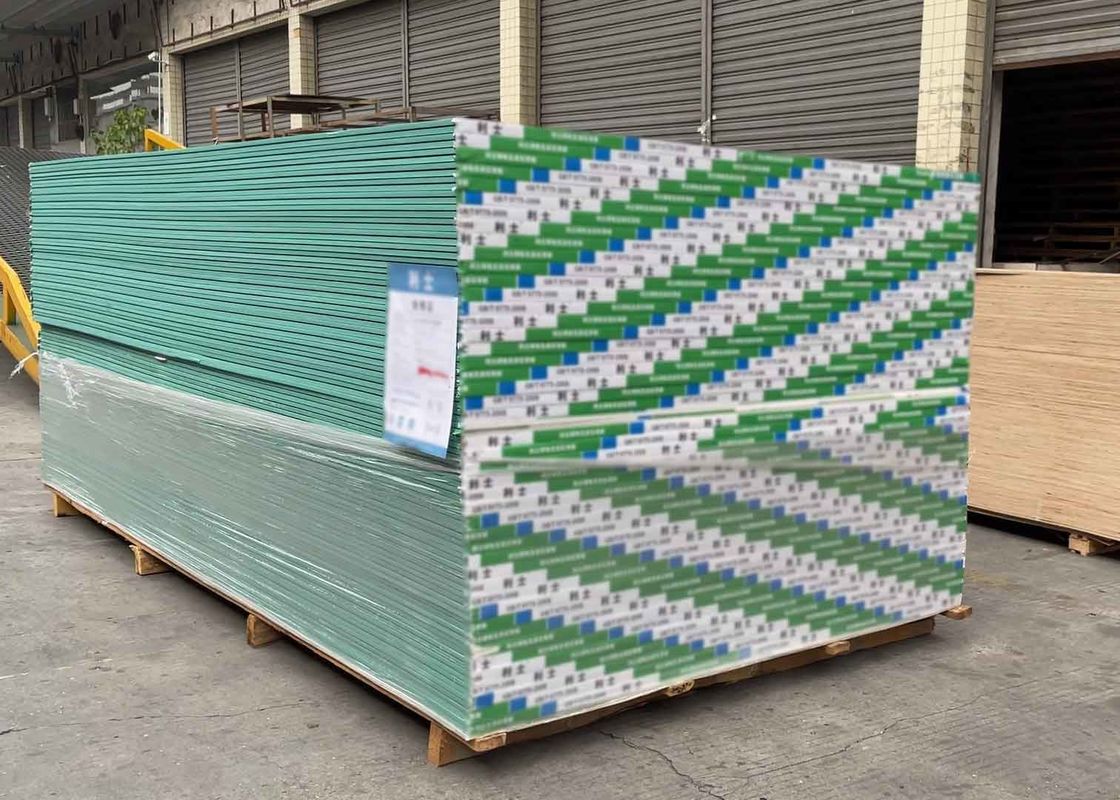
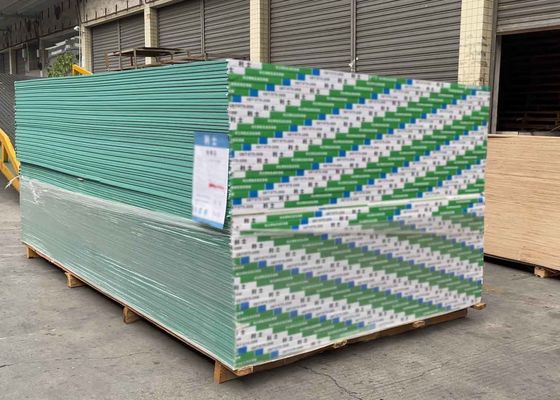
Pallet packing helps keep large boards stable during forklift handling and container loading. The pallet should support the board size properly so that the stack does not bend, slide or collapse during transport.
|
| MOQ: | 1200 |
| harga: | $2.30-3 |
Moisture resistant gypsum board is large, flat and relatively easy to damage at the edges and corners during export handling. For B2B buyers, the final product quality is not judged only at the factory. It is also judged after container loading, ocean transport, unloading, warehouse storage and jobsite handling. A low sheet price can become expensive if the boards arrive with broken corners, crushed edges or moisture-damaged packaging.
This guide explains the packing and container loading points that importers, distributors and contractors should confirm before ordering green plasterboard or MR drywall panels. The goal is to reduce arrival damage, control moisture exposure and make the loading plan clearer before shipment.
Gypsum board problems often happen after production, during handling and shipping.
A moisture resistant gypsum board may leave the factory with correct size, thickness, surface and edge quality. However, if the pallet is weak, if the stack moves inside the container, or if the corners are not protected, the buyer may still receive damaged boards. For importers, the problem is not only the broken pieces. Damaged edges can slow down installation, increase cutting waste and create complaints from contractors or retailers.
Moisture resistant gypsum board is often used in bathrooms, kitchens, laundry rooms, utility spaces and damp interior ceilings. Because the product itself is selected for humid-area projects, buyers may assume it can tolerate any moisture during transport. This is a misunderstanding. MR gypsum board is more suitable for damp indoor applications than standard drywall, but it should still be protected from rain, standing water and long exposure to wet packaging before installation.
For B2B orders, packing should be discussed before confirming the final price. A supplier may quote the same board size and thickness, but the packing method, pallet stability, protective film, edge protection and loading arrangement can make a big difference at destination. This is why professional buyers usually compare more than sheet price.
The main goal is to keep the stack flat, protect the edges, reduce movement and avoid unnecessary moisture exposure.
Pallet packing helps keep large boards stable during forklift handling and container loading. The pallet should support the board size properly so that the stack does not bend, slide or collapse during transport.
Gypsum board edges and corners are the easiest parts to damage. Edge protection helps reduce breakage caused by forklift contact, container vibration, tight stacking and rough unloading at the destination warehouse.
Protective covering helps reduce exposure to dust, light splashing and humidity during handling. It does not mean the boards can be stored in rain or placed on wet ground, but it adds protection during normal logistics.
Gypsum boards should be stacked flat and aligned. Uneven stacking may create pressure points, corner damage or surface marks. This is especially important for 1220×2440mm and 4×8 ft boards because their large surface area makes them sensitive to poor support.
For distributors and mixed specification orders, clear labels help warehouse staff identify thickness, size, edge type and board category. This reduces the risk of wrong delivery after the container arrives.
The loading plan should consider board weight, pallet size, thickness, handling space and destination unloading conditions.
Many buyers ask how many sheets can be loaded in one container. This number depends on board size, thickness, pallet packing, container type and weight limit. A 9.5mm board and a 12mm board will not have the same loading quantity. A 1220×2440mm board and a customized size may also require different pallet planning. The loading quantity should be calculated with the final specification, not guessed from a general product name.
Overloading or unstable loading can increase damage risk. If the boards are packed too tightly without enough handling consideration, unloading may become difficult and corners may be damaged. If the boards are not fixed well enough inside the container, movement during ocean transport can lead to crushed edges or shifted pallets.
Professional loading should balance space efficiency and product protection. For B2B buyers, it is better to confirm the estimated sheets per pallet, pallets per container, total square meters, gross weight and unloading method before shipment. This information helps the buyer calculate landed cost and prepare the warehouse team in advance.
| Loading Factor | Why It Matters | What to Confirm Before Order |
|---|---|---|
| Board Size | Large sizes such as 1220×2440mm and 4×8 ft affect pallet dimensions and container layout. | Confirm exact size and whether customized size is required. |
| Thickness | 9mm, 9.5mm, 12mm, 12.5mm and 15mm boards have different weight and stack height. | Confirm thickness by wall or ceiling application. |
| Pallet Quantity | Pallet count affects loading efficiency, unloading method and warehouse handling. | Ask for sheets per pallet and pallets per container. |
| Gross Weight | Container weight limit must be checked to avoid shipping or safety problems. | Confirm estimated total weight before booking shipment. |
| Edge Protection | High loading pressure and movement can damage board corners and edges. | Confirm corner protection, pallet support and loading stability. |
| Destination Handling | Rough unloading can damage boards even if loading is good. | Prepare forklift, dry storage area and handling team before container arrival. |
Moisture risk can happen during ocean transport, especially when containers move through different temperatures and climates.
Temperature changes during shipping may create condensation inside the container. If moisture collects on the container roof or inner walls, packaging and board edges can be affected, especially on long routes.
Some damage happens not at sea, but at the destination port or warehouse. If boards are unloaded in rainy conditions or left outside before storage, protective packaging may not be enough.
Even moisture resistant gypsum board should be stored flat, dry and protected. A damp warehouse floor, poor ventilation or long storage time can increase the risk of packaging damage and edge problems.
Packing and loading should be matched with the final board specification.
| Item | Reference Specification | Packing / Loading Note |
|---|---|---|
| Product Name | Moisture Resistant Gypsum Board / Green Plasterboard / MR Drywall Panel | Confirm product type before discussing packing and container plan. |
| Common Size | 1220×2440mm, 1220×2000mm, 1200×2400mm, 4×8 ft, or customized size | Size affects pallet dimensions and container arrangement. |
| Thickness | 9mm, 9.5mm, 12mm, 12.5mm, 15mm | Thickness affects sheet count, stack height and total weight. |
| Surface | Paper-faced flat surface, commonly green face paper | Surface should be protected from scratches, moisture and dirt during transport. |
| Edge Type | Square edge or tapered edge | Edges should be protected because damage affects installation and joint treatment. |
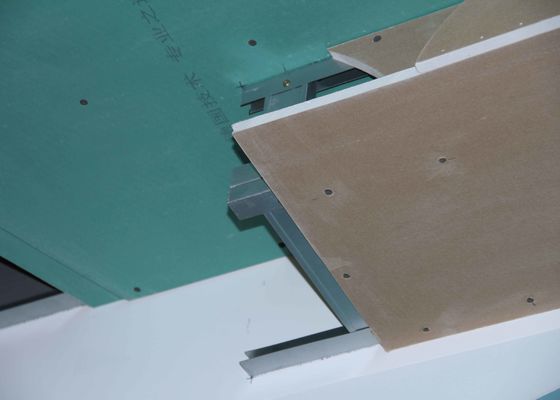
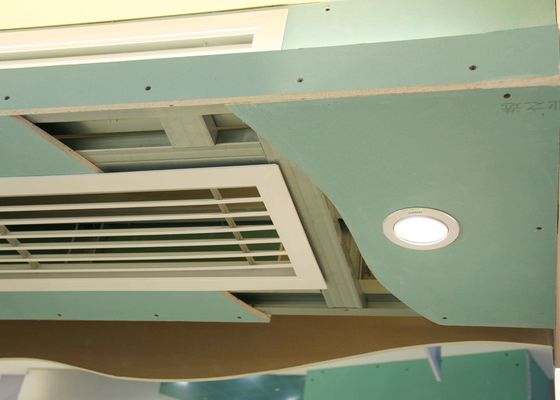
| Application | Bathroom ceiling, kitchen wall, laundry room, garage, utility room, damp interior partition | Destination storage and site handling should match the intended humid-area use. |
| Packing | Pallet packing with protective covering | Ask for pallet support, covering, corner protection and loading stability. |
| MOQ | Usually 1×20GP container | Final quantity depends on board size, thickness and loading weight. |
| Lead Time | Normally about 10–20 days after order confirmation | Confirm production time and shipping schedule before project planning. |
A clear checklist helps reduce wrong expectations and arrival damage.
Check size, thickness, edge type, application and final quantity before calculating loading.
Ask about pallet structure, protective covering, corner protection and labeling.
Check sheets per pallet, pallets per container, total square meters and gross weight.
Arrange forklift, dry warehouse space and careful unloading before the container arrives.
To provide a useful quotation, the inquiry should include product specification and packing expectations. A request that only says “price for gypsum board” is not enough for export orders because packing and container loading strongly affect the final cost and damage risk.
Example: We need moisture resistant gypsum board, size 1220×2440mm, thickness 12mm, tapered edge, one 20GP container. Please quote with pallet packing, protective covering, edge protection, sheets per pallet, pallets per container, total square meters and estimated gross weight.
Corners may break because of weak pallet support, rough forklift handling, tight loading, container movement, poor edge protection or careless unloading at the destination warehouse.
It needs protective packing, but it should still be kept away from rain and standing water. Moisture resistant means better suitability for damp interior use, not careless exposure during transport.
Yes, but it should be calculated based on final size, thickness, pallet plan and container type. Different thicknesses and sizes can change sheet count and gross weight.
Buyers should prepare forklift access, dry warehouse space, covered unloading conditions and staff who know how to handle large gypsum boards without damaging edges.


